
Become a Baron or Baroness
At first glance, the title of Baron carries a certain promise. It sounds elegant, refined, and undeniably powerful. People instinctively associate it with status, influence, and a presence that stands out. Interestingly, within the traditional hierarchy of nobility, the Baron was often one of the lower-ranking titles in many European systems. Yet that is exactly what makes it so appealing today. It combines accessibility with prestige, creating a title that feels both impressive and easy to integrate into everyday life. The female equivalent, Baroness, carries the same refined tone and complements the title perfectly.
Over the centuries, the perception of this title has evolved significantly. What once represented a specific position within a rigid social structure has transformed into a symbol of identity, elegance, and personal expression. Its long history adds depth and authenticity, but its modern use makes it flexible and relevant. Before choosing to adopt the title of Baron or Baroness, it is worth understanding where it comes from and why it has remained so popular across generations.
The origin of the word itself traces back to the Latin term “baro,” which was historically associated with a man of service, often a warrior or someone performing demanding duties. In early legal and cultural contexts, similar terms were used across different regions, all pointing toward strength, resilience, and a connection to responsibility. Over time, this meaning shifted, and the title became firmly established within the structure of nobility, gradually gaining the refined and prestigious connotation it holds today.
While the exact origin of the female form “Baroness” is less clearly defined, its role within the noble system has long been recognized. Both titles have developed alongside centuries of European history, adapting in meaning while maintaining their distinctive sound and presence. Today, they offer something that goes beyond historical classification. They provide a way to shape how you are perceived, combining tradition with a modern sense of individuality.
Choosing the title of Baron or Baroness is therefore not about where it once stood in the hierarchy, but about how it feels when you use it. It is elegant without being overwhelming, distinctive without being distant, and strong enough to leave an impression. And that balance is exactly what makes it one of the most attractive noble titles you can carry today.
The Historical Evolution of the Baron
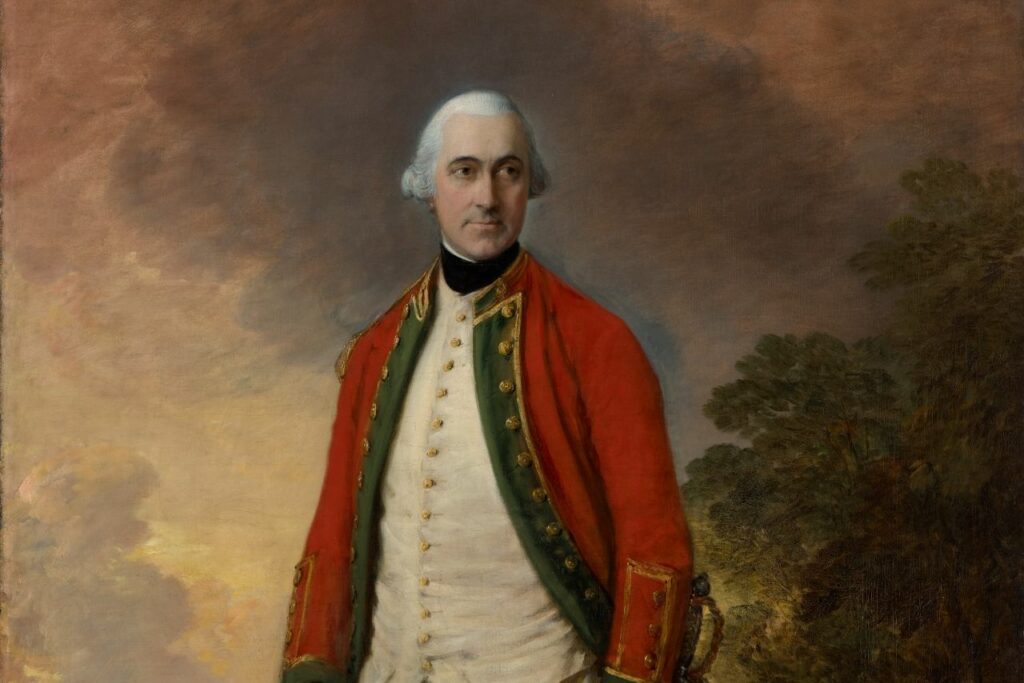
The title of Baron gained real significance during the Middle Ages, when feudal systems began to shape how power and land were distributed. At that time, titles were closely tied to ownership and responsibility. Those who controlled land were not just landowners, but figures of authority, and the title of Baron became a way to identify individuals who held such positions within the feudal structure. It was less about prestige in the modern sense and more about function, loyalty, and clearly defined roles within a hierarchical system.
Over time, however, the meaning of the title began to shift. As centuries passed and political structures evolved, the rigid framework of feudal obligations gradually disappeared. The title of Baron remained, but it no longer carried the same formal responsibilities or clearly defined rights. Instead, it became a symbolic representation of nobility itself, detached from direct governance but still deeply associated with aristocratic identity and heritage.
A key moment in this development can be traced back to the reign of William the Conqueror. Under his rule, the title of Baron was introduced into the English system as a way to organize loyalty and structure authority. Those who were granted land were expected to serve the crown, particularly in military matters, and to take part in the advisory structures surrounding the king. The title became a marker of allegiance as much as of status, defining a relationship between ruler and noble that was built on obligation and trust.
As the system continued to evolve under later rulers, including Henry II, the role of the Baron became more established but also more fluid. Landholders who had received their estates in return for service were often considered Barons, yet the boundaries between different noble titles were not always clearly defined. In practice, titles such as Baron and Lord were sometimes used interchangeably, depending on context, status, and personal preference. What mattered most was not the label itself, but the recognition of position and influence within the broader structure of society.
Today, all of this has transformed into something far more flexible. The title of Baron no longer defines legal authority or obligation, but it still carries the resonance of that long history. It reflects strength, structure, and continuity, while at the same time adapting to a modern context where identity is shaped less by duty and more by personal choice. That evolution is exactly what makes the title so compelling. It has moved from function to expression, without losing the depth that gives it meaning.
The Magna Carta and the Evolution of Baron Titles
Few moments in history shaped the meaning of nobility as strongly as the Magna Carta. It marked a turning point where power, privilege, and responsibility were redefined, especially for figures like Barons. During the medieval period, Barons were not just symbolic titles, they were deeply involved in governance. They were summoned to councils, advised the crown, and played an active role in shaping decisions that affected entire regions. Over time, these gatherings evolved into what would later become Parliament and the House of Lords, firmly embedding the Baron within the political structure of the time.
At that stage, a clear distinction began to emerge between ordinary citizens and members of the nobility. Barons held privileges, influence, and a voice in matters of state, making the title far more than a social label. But as political systems evolved and democratic principles took hold, this direct power gradually diminished. What remained was not authority in the traditional sense, but recognition, prestige, and a legacy that continued to carry weight long after the original structures had disappeared.
The transition away from feudal systems accelerated over the following centuries. By the late medieval and early modern periods, the link between land ownership and noble titles began to weaken. Titles were no longer defined solely by territory, but increasingly by formal recognition and appointment. Legal changes transformed the concept of baronies into something more modern, moving away from obligations tied to land and toward a more symbolic form of nobility. The title endured, but its function shifted from governance to representation.
In the twentieth century, this evolution took another step forward. The introduction of non-hereditary titles reshaped the role of the Baron even further. Individuals could be granted a title without belonging to an established noble lineage, turning the concept into a form of recognition rather than inheritance. Titles such as Baron or Baroness became associated with distinction, achievement, and public presence, rather than political authority. The term itself remained powerful, but its meaning adapted to fit a changing world.
Across Europe and beyond, the idea of the Baron has continued to evolve. What once defined landowners and political figures has become a broader symbol of status and identity. The title has been used to describe influential individuals in various fields, from industry to culture, always carrying a sense of importance and recognition. And despite losing its original privileges, it has never lost its impact.
That is exactly what makes the title so compelling today. It is rooted in centuries of history, shaped by power, influence, and transformation, yet fully adaptable to modern life. When you choose to carry the title of Baron or Baroness, you are not stepping into a rigid system of the past. You are taking on a name that has proven its ability to evolve, one that still commands attention and carries a sense of distinction wherever it is used.
And if you want to be part of that story, the opportunity is there. A noble title today is not about authority, it is about presence. It is about how you present yourself, how you are perceived, and how you choose to stand out. And the title of Baron or Baroness does exactly that, with a legacy behind it that few other names can match.














 English
  Français
  Español
  Italiano
  Deutsch