




Description
The noble family first appears in historical records in 1233 with the knight Antonius von Schedingen, who is mentioned as part of the retinue of the Count of Arnsberg. This places the origins of the family firmly within the medieval nobility of the Westphalian region, where they were connected to important territorial lords and political structures of the Holy Roman Empire. In the Cologne area, members of the family increasingly appear as witnesses in official documents, a role that underlines their social standing and trust within noble and ecclesiastical circles.
The line of the von Scheidingen family based at Scheidingen flourished for several centuries but appears to have died out around the mid-15th century, after which the estate of Scheidingen was sold. The last documented representative is Johann von Scheidingen, Droste (a high administrative official) of Werl, mentioned in 1538. With him, the original line of the family is believed to have become extinct, marking the end of their direct presence in their ancestral homeland.
However, branches of the family—often referred to as von Scheding or von Scheden—continued to appear in other parts of Europe, particularly in the Baltic region. In the 15th century, members of the family are documented in Riga, where they served as councilors in one of the most important cities of the Hanseatic League. Their presence in Livonia during the 16th century reflects the broader movement of German noble and merchant families into the Baltic territories, where they played key roles in administration, trade, and urban governance.
The family held a hereditary burial site in the St. Peter’s Church in Riga, one of the most prominent Gothic churches in the Baltic region. Located in the north nave, this burial chapel was later passed on to the Ulenbrock family and became known as the Ulenbrock Chapel. This transfer illustrates both the continuity and eventual transition of noble influence in the region. The Baltic line of the family eventually died out in the second half of the 16th century, bringing an end to the documented history of the Scheding lineage.
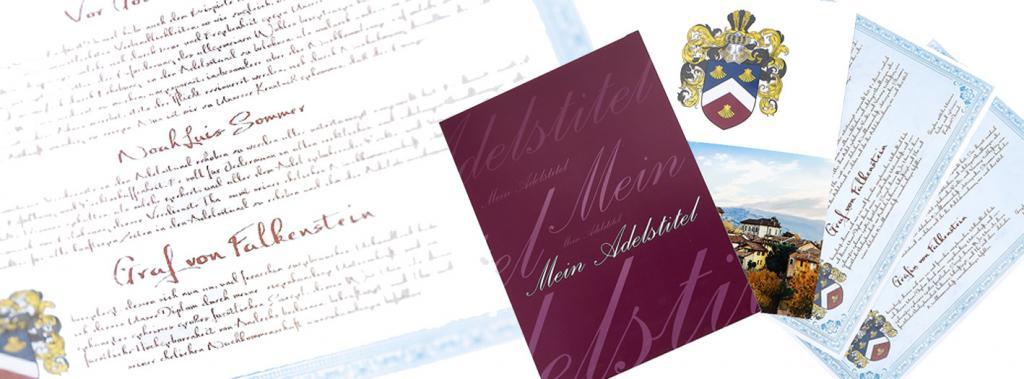
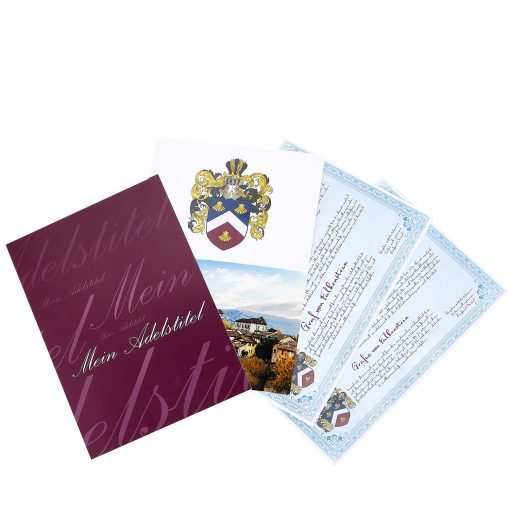
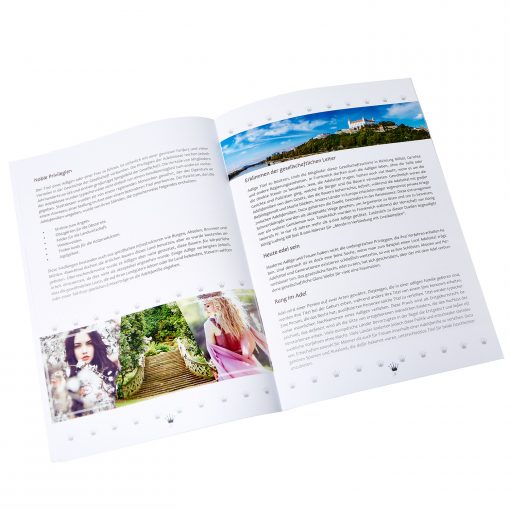
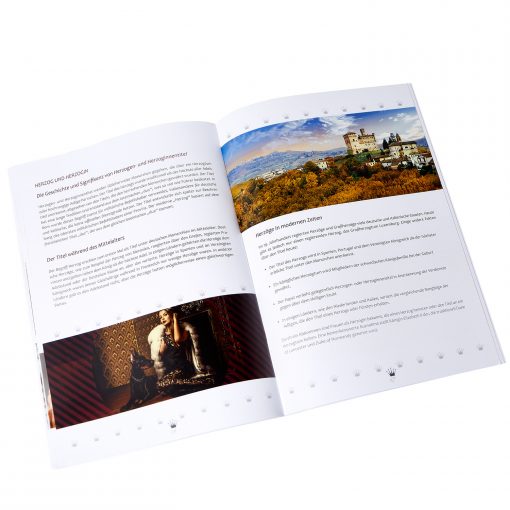
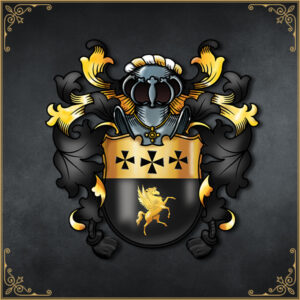
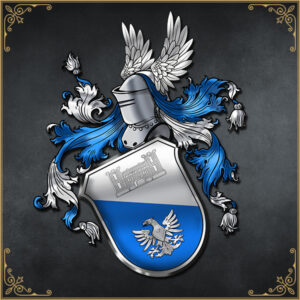
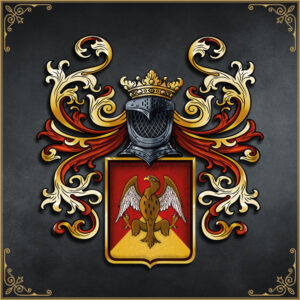
With your title, you will receive complete documentation for the entire family. The accompanying coat of arms is provided as a high-quality PDF and is also available as a vector graphic upon request. We are happy to customize the coat of arms according to your preferences, including colors, symbols, and stylistic elements, allowing you to create a unique heraldic identity. All certificates are delivered together in an elegant presentation folder, accompanied by detailed information on the proper use and presentation of your title.
The traditional forms of address associated with this rank include Highness, Serene Highness, or Princely Grace, reflecting the elevated dignity of the title. The male title is Prince, the female title Princess, while sons may bear the title (Hereditary) Prince or Count, and daughters (Hereditary) Princess or Countess, preserving the noble designation across generations.
 English
  Français
  Español
  Italiano
  Deutsch
Reviews
There are no reviews yet.