


Descripción
The Lords of Berwangen were a late medieval noble family whose origins can be traced to the village of Berwangen, today part of Kirchardt in the district of Heilbronn in northern Baden-Württemberg. Like many noble families of the Holy Roman Empire, their name was derived directly from their place of origin, which served both as a territorial designation and as a marker of status. From this relatively small but strategically located settlement, the family rose into the ranks of the regional nobility and established itself within the administrative and political structures of southwestern Germany.
During the late Middle Ages, the Lords of Berwangen held important offices in the service of the Margraviate of Baden and the Electoral Palatinate (Kurpfalz), two of the most influential territories in the Upper Rhine region. These roles often included administrative, judicial, and military responsibilities. As ministeriales—originally unfree knights who rose to prominence through loyal service—they were entrusted with managing estates, overseeing legal matters, and representing their lords in regional affairs. Over time, such families frequently transitioned into the lower nobility, gaining hereditary status and recognition.
The political landscape of Baden and the Palatinate during this period was shaped by a complex network of noble families, ecclesiastical authorities, and territorial rulers. In this environment, families like the von Berwangen played a crucial intermediary role. They acted as local administrators and enforcers of authority, helping to stabilize governance while also benefiting from their proximity to power. Their involvement in regional administration reflects both their competence and the trust placed in them by higher-ranking rulers.
Although the family never rose to the rank of the great princely dynasties, their position within the service nobility gave them significant influence at a regional level. Their legacy is representative of many such noble families whose importance lay not in vast territories, but in their indispensable role within the functioning of the medieval state. Over time, as political structures evolved and territories were consolidated, many of these smaller noble houses gradually disappeared from historical records, either through extinction or integration into other lineages.
Today, the name Berwangen still preserves the memory of this noble lineage and its historical roots in southwestern Germany. It stands as a reminder of the intricate social and political fabric of the Holy Roman Empire, where even lesser-known noble families contributed to the governance, defense, and cultural development of their regions.
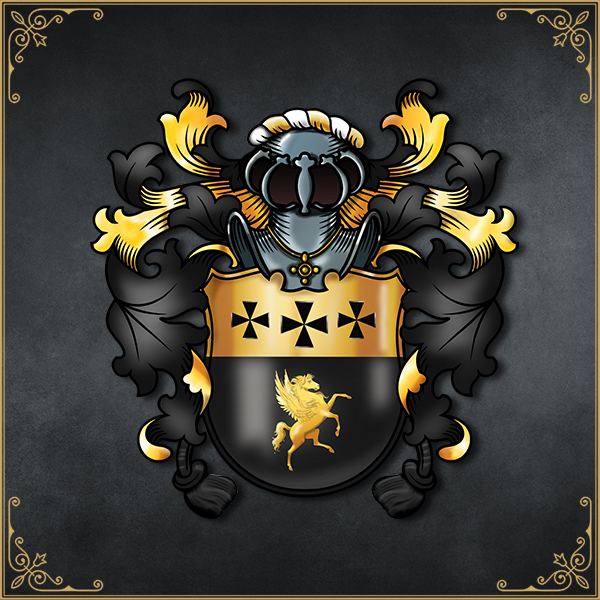
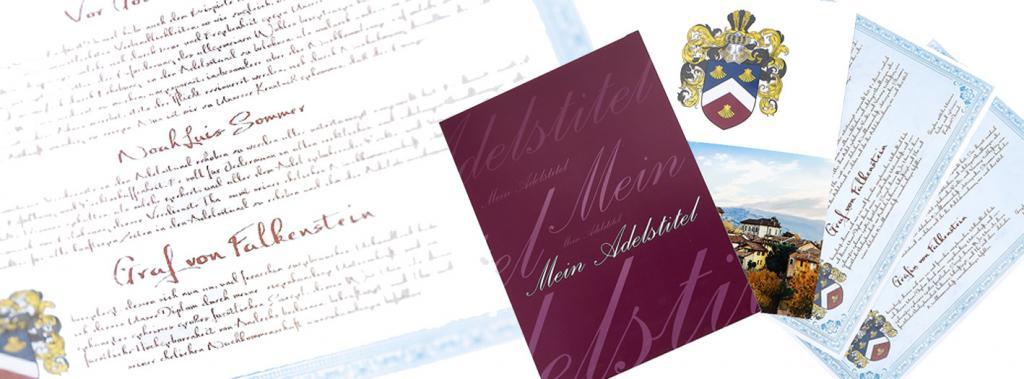
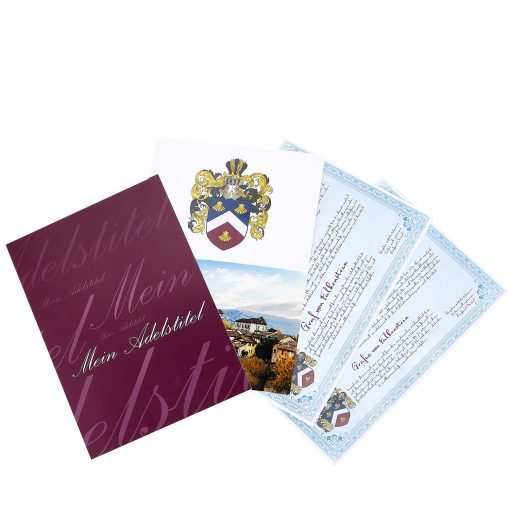
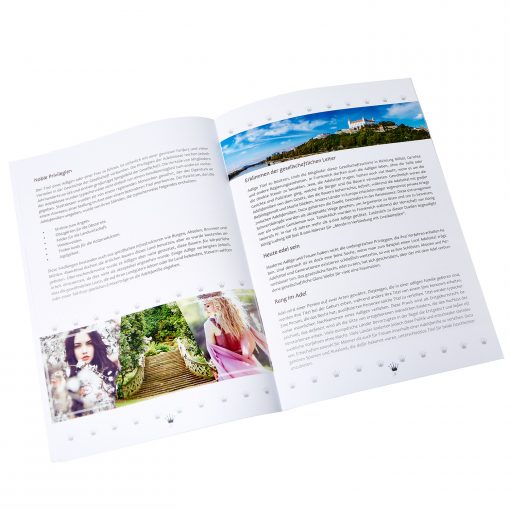
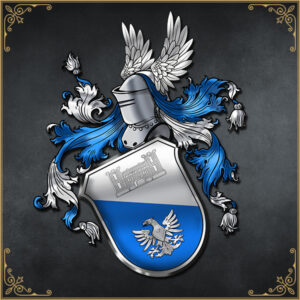
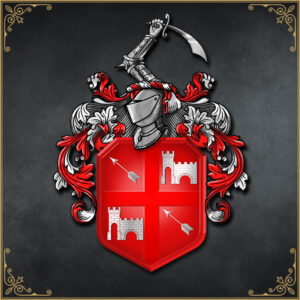
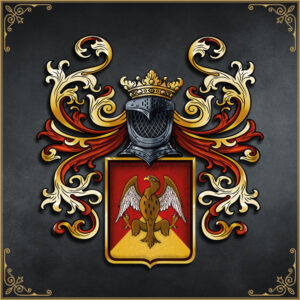
With your title, you will receive complete documentation for the entire family. The accompanying coat of arms is provided as a high-quality PDF free of charge and can also be supplied as a vector graphic upon request. We are happy to customize the coat of arms according to your preferences, including colors, symbols, and stylistic elements, allowing you to create a unique heraldic identity.
All certificates are delivered together in an elegant presentation folder, making them ideal for display or as a distinguished gift. In addition, you will receive detailed information on the proper use and presentation of your title, ensuring that you can carry it with confidence and authenticity.
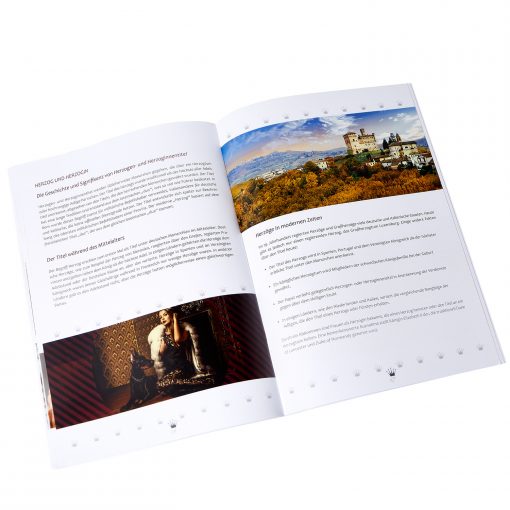
- Anrede: (Königliche) Hoheit, Durchlaucht
- Mann: Herzog
- Frau: Herzogin
- Sohn: Prinz
- Tochter: Prinzessin
Das besondere beim Herzog ist, das die Kinder eine Urkunde bekommen, die sie zum Prinz oder zur Prinzessin erhebt.
 English
  Français
  Español
  Italiano
  Deutsch
Valoraciones
No hay valoraciones aún.