
Description
Information about the family history and the coat of arms
Family history
▼
Family history of Graf zu Paulsdorf
Family history of Graf zu Paulsdorf
The first recorded mention of the family dates back to at least the 13th century: For example, in 1280, a Konrad von Paulsdorf received the castle of Wernberg from the Landgrafen von Leuchtenberg. Over the following decades, the Paulsdorfers acquired further properties, including those in Haselbach and Ettmannsdorf.
During the Middle Ages, their position changed: they moved from the service class to independent rulers and possessed both lower and partially higher judicial power. A current overview lists, for example: the Paulsdorfer in Kürn near Regensburg — after having left their original environment. 
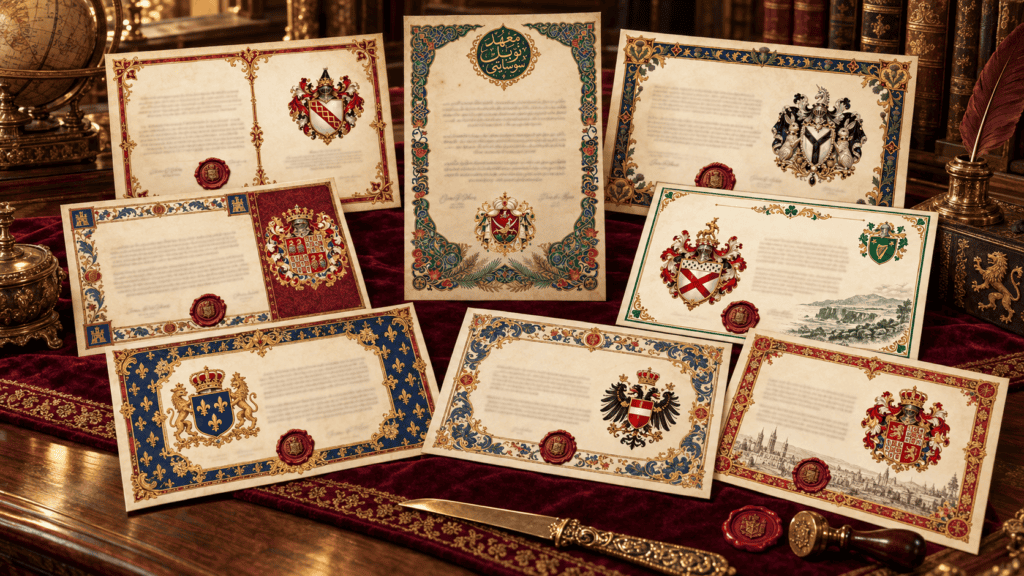
The family was active in the feudal and regional system: In one Certificate of 1325 cases, Ulrich and Konrad von Paulsdorf donated properties to a monastery as „spiritual healing“.  Furthermore, they participated in the political conflicts of the region: The Paulsdorfers are among the families that fought feuds against the Duke of Bavarians as part of the so-called „Löwlerbund“ at the end of the 15th century. 
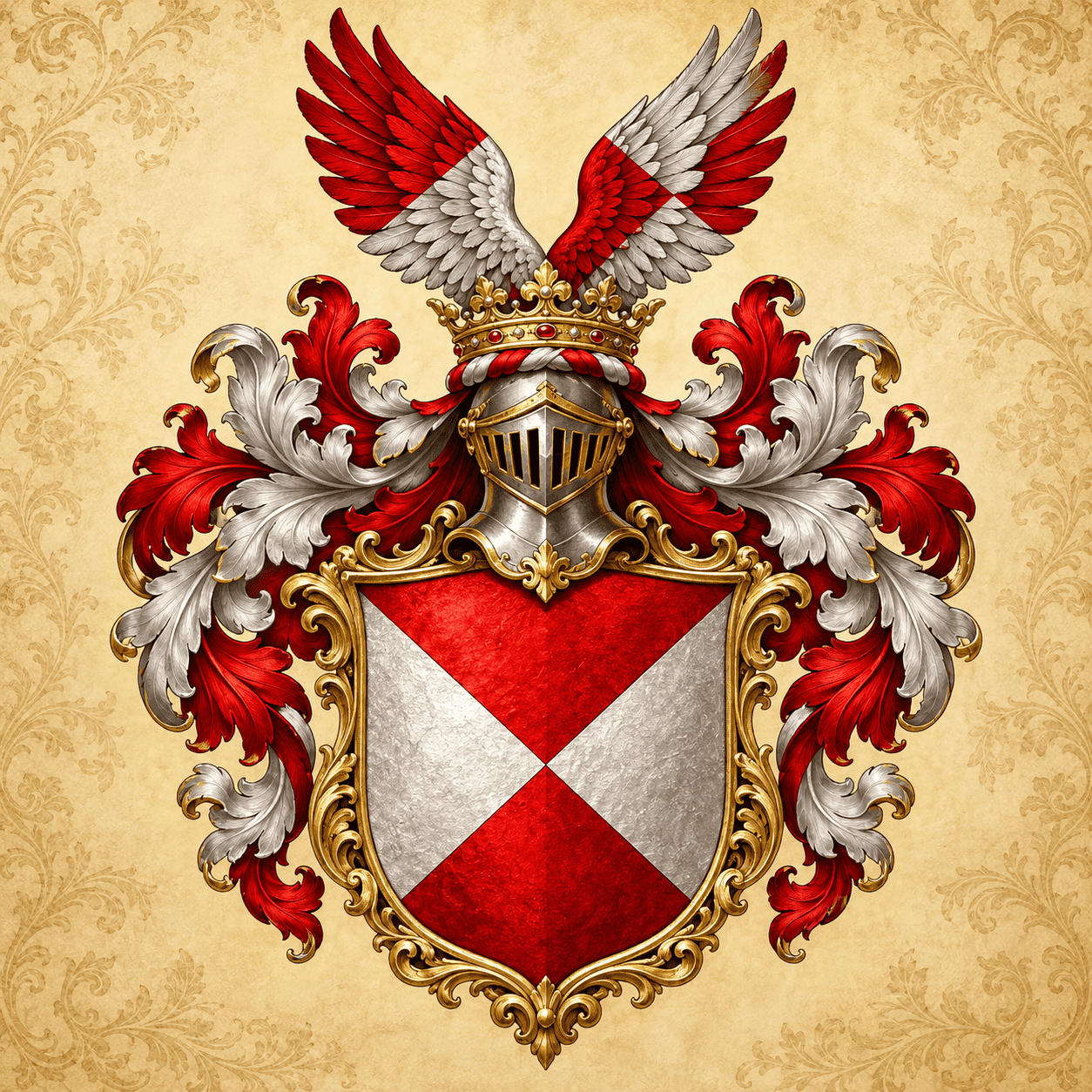
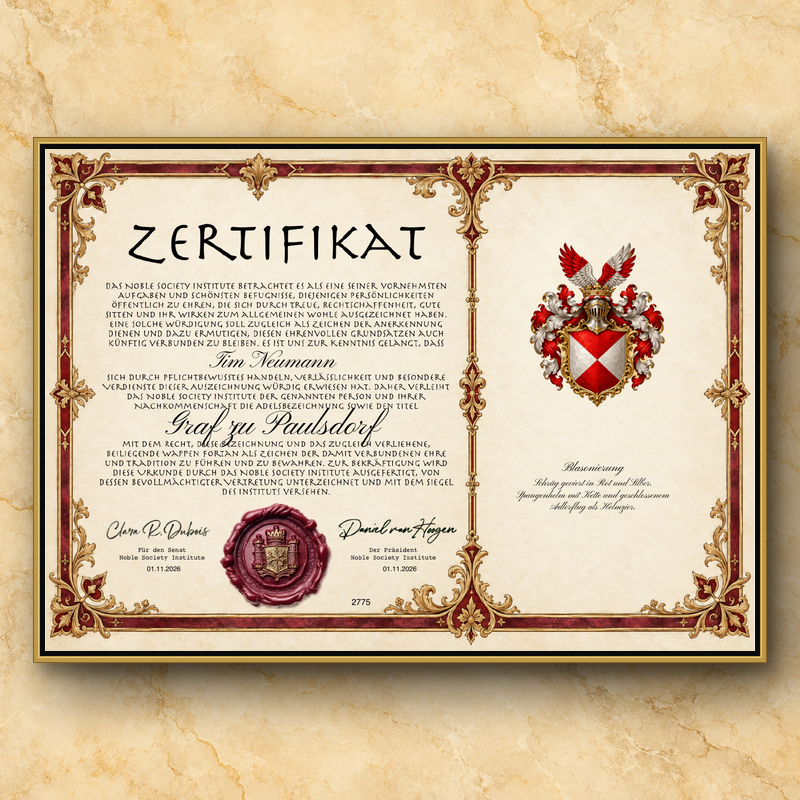
A focus was the Haselbach estate, the seat of Kürn and various manor estates such as Falkenfels. Through their possessions, the Paulsdorfer exerted significant regional power — for example in the field of jurisprudence.  Their coat of arms Coat of arms was a diagonal stripe of red and silver. 
The von Paulsdorf family were a typical example of the regional nobility in medieval Bavaria: essentially free of nobility, with alternating dominance, close ties with the religious world (monasteries, donations), and a very autonomous form of governance. Their significance is evident not least in numerous Urkunden, land grants and the exercise of power in the Oberpfalz region.
Coat of arms & Heraldry
▼
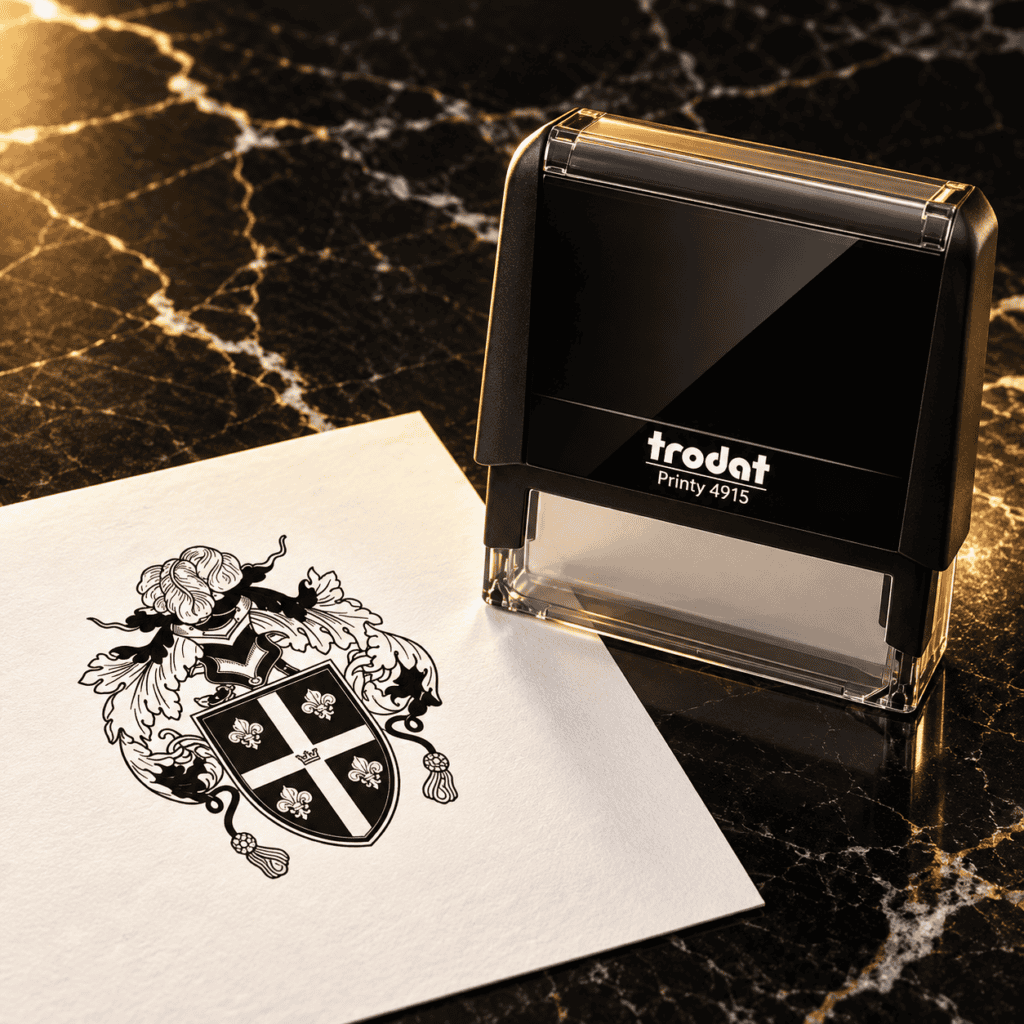
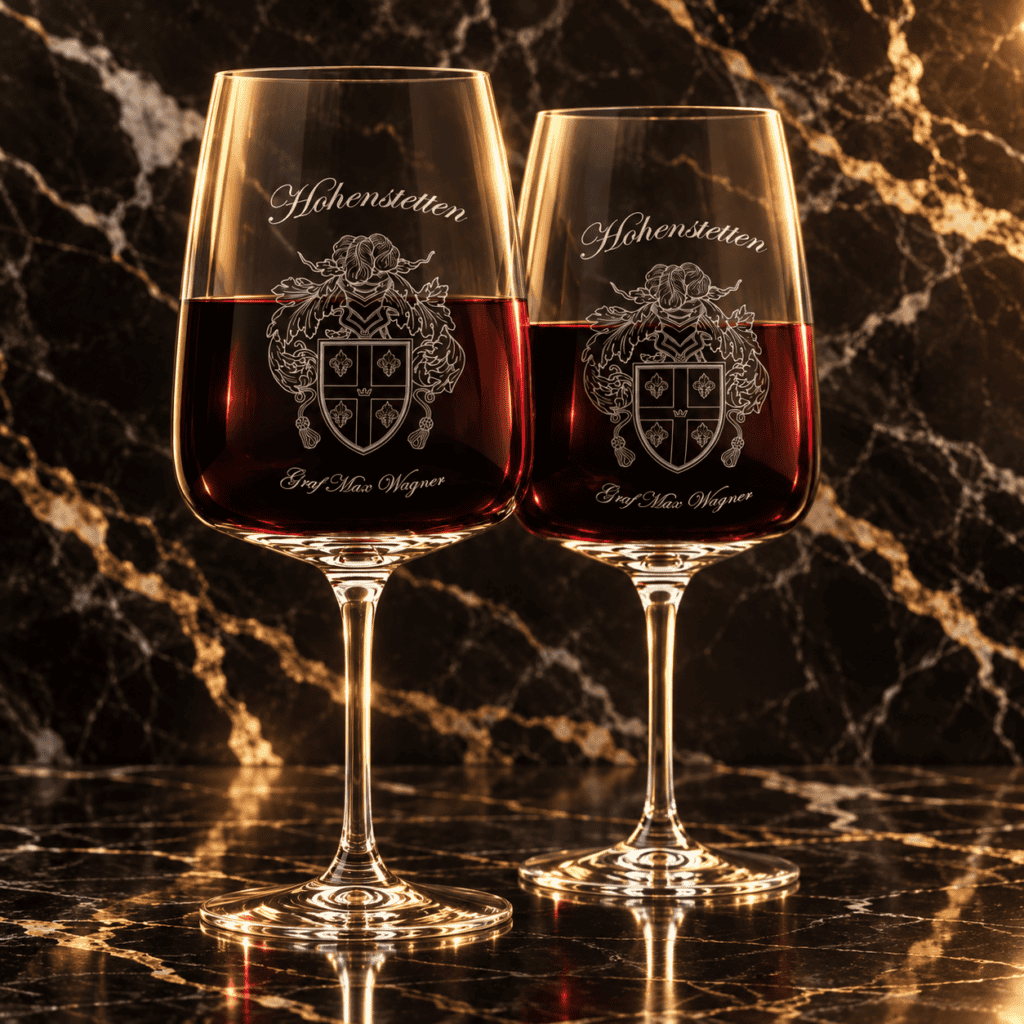
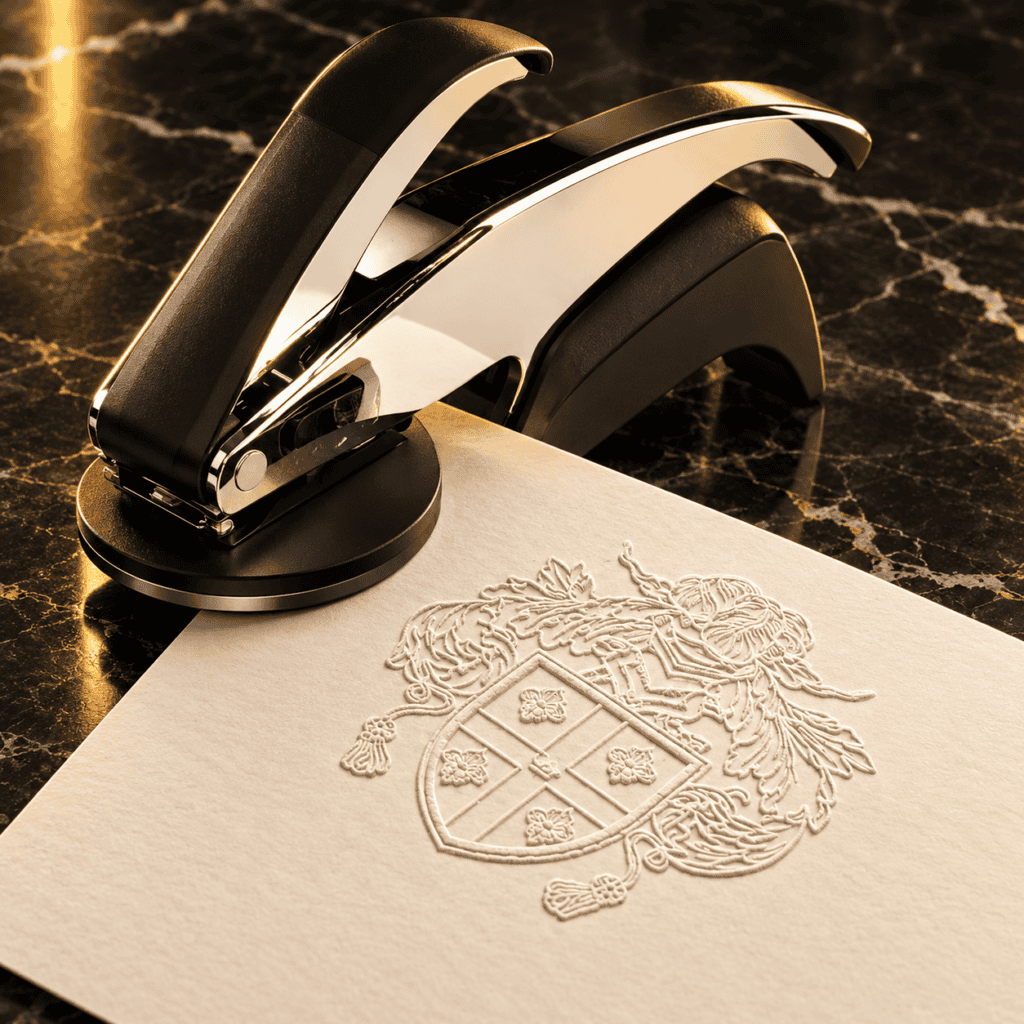
Family coat of arms Graf zu Paulsdorf
Heraldic description: Vertically quartered in red and silver.
The shield is divided into four equal-sized fields by two intersecting diagonals. Red and silver alternate with each other to create a clear, geometric Wappeneffect. An elaborately decorated gold border surrounds the shield.
Above the shield is a classic steel helmet with oil-painted details and a golden chain. Fine-knit acanthus leaves in bright red and silver frame the composition. As a decorative element, there is a closed eagle flight, whose both wings repeat the red-silver diagonal pattern of the shield.