


Description
Information about the family history and the coat of arms
Family history
▼
Family history Gong of Qi
Duke of Qi
The history of the princes of Qi begins in the early Zhou Dynasty. After defeating the Shang Dynasty, King Wu transferred an area on the Shandong Peninsula to the trusted advisor and warlord Jiang Shang. The prestigious ancestor, also known as Lü Shang or Taigong, created the foundation of the state of Qi there around the 11th century BC. His descendants from the Jiang clan initially held the rank of a marquis and later the rank of gong, a duke or prince.
From the capital of Linzi, Qi developed into a prosperous country with vibrant trade and access to the sea. The family under Duke Huan experienced the most glorious early rise in the 7th century BC. Together with his wise chancellor Guan Zhong, he strengthened administration and the economy, gathered the princes, and became the first great hegemon of the Spring and Autumn period. Qi thus combined familial prestige, diplomatic skill, and practical statecraft.
Later generations witnessed alternating alliances and lively court politics. Under Duke Jing, the famous statesman Yan Ying brought calm, moderate government, and diplomatic elegance to the court. At the same time, the Tian family, immigrated from Chen, gradually gained influence. Their members were distinguished by organization, alliances, and closeness to the people.
In 386 BC, Zhou King Tian He officially recognized him as the ruler of Qi. This marked the country’s second family era. The Tian princes later elevated Qi to a kingdom and made Linzi a major center of thought. At the Jixia Academy, scholars from various schools met and created an extraordinary intellectual flowering.
When Qin united China in 221 BC, Qi moved into the new empire. However, the legacy of its two ruling houses remained: Jiang and Tian stand today as a long tradition of leadership, trade, diplomacy, and cultural curiosity on China’s eastern coast.
Sources: Chinese Text Project, ChinaKnowledge, Indiana University, Wikipedia
Coat of arms & Heraldry
▼
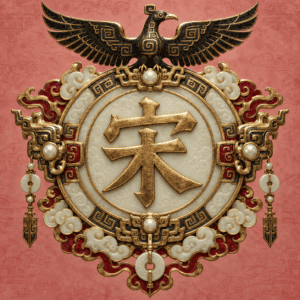
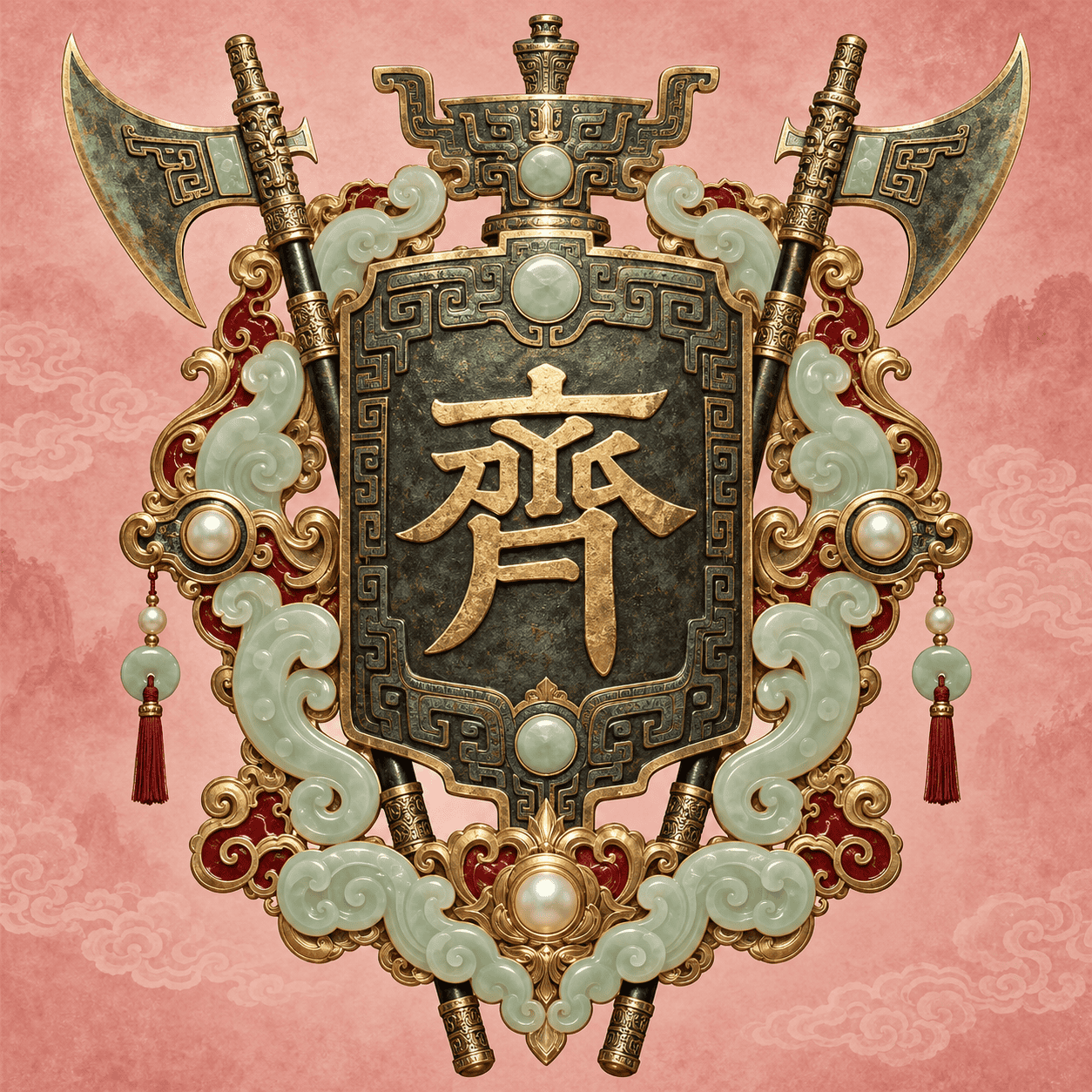
Gong family coat of arms from Qi
On a dark patinated bronze ceremonial tablet, framed by bright jade segments and Taotie ornaments, the golden sign 齊; behind it are two symmetrically arranged Zhou-era Ji-era bronze lanterns, above which is a bronze rank insignia.
Qi was a major regional state of the Zhou Dynasty. Its rulers initially held the rank of Hou and later Gong; a European-style Wappensystem did not exist.
Sources: Qi (state), National Museum of China, ChinaKnowledge, Chinese Bronze Inscriptions
Overview of your title package
What the title of nobility contains
Discover the fascination of historical noble titles. With each appointment, you receive a first-class package that perfectly combines tradition, personal recognition, and stylish representation:
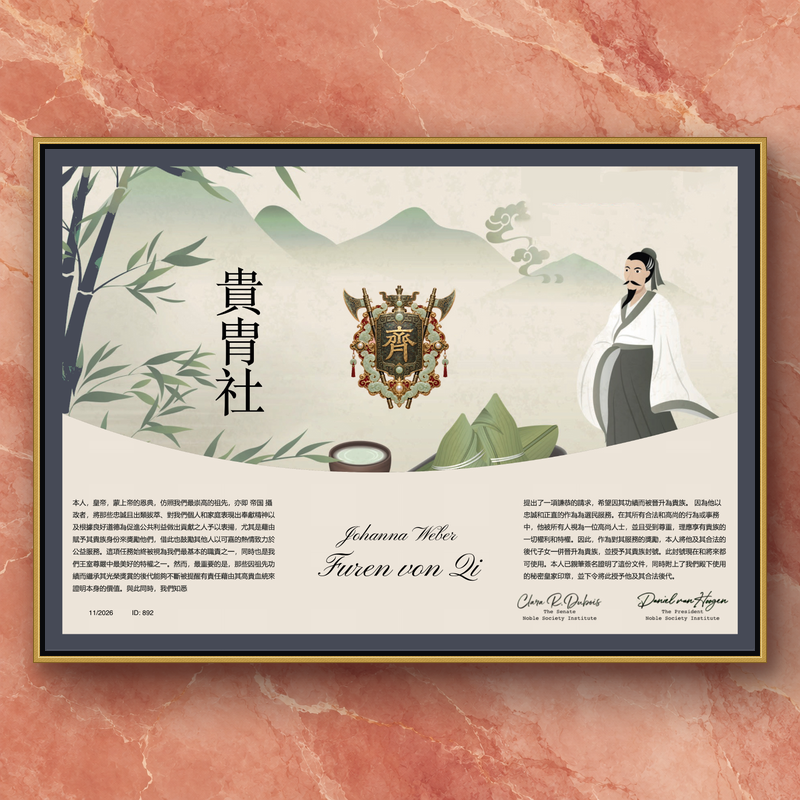
Your certificate
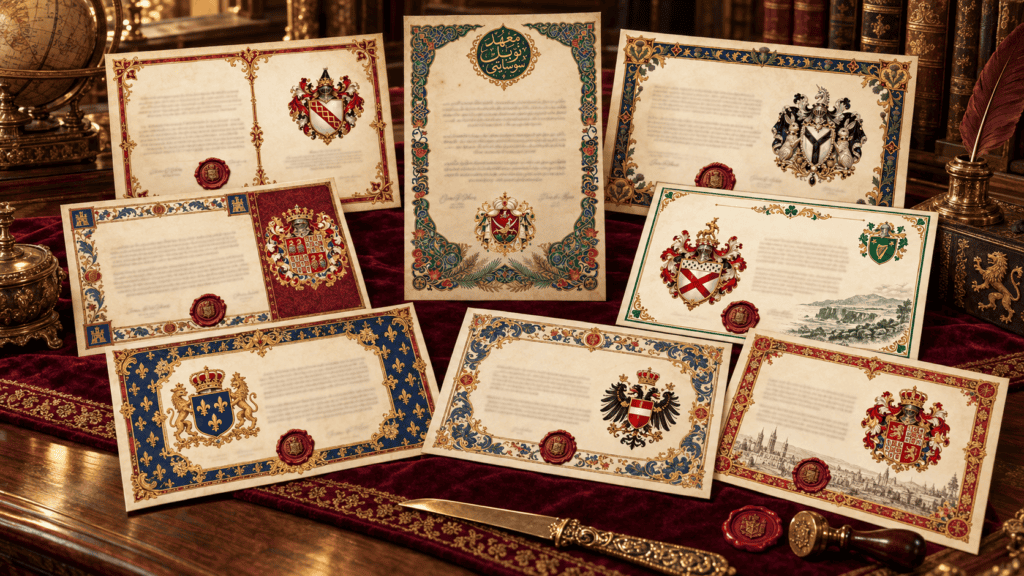
Authentic design with a historic flair: For each region, we create a certificate of appointment in the distinctive, country-specific style – complete with the appropriate coat of arms of your chosen title.
Share this special moment: Upon request, you will receive a free partner certificate and certificates for your children, so that the whole family can participate in the tradition.
Your own coat of arms
Each title comes with the corresponding historical coat of arms, which you receive as a high-resolution file. You can use it completely freely in private and professional contexts – whether on letterhead, business cards, or seals.

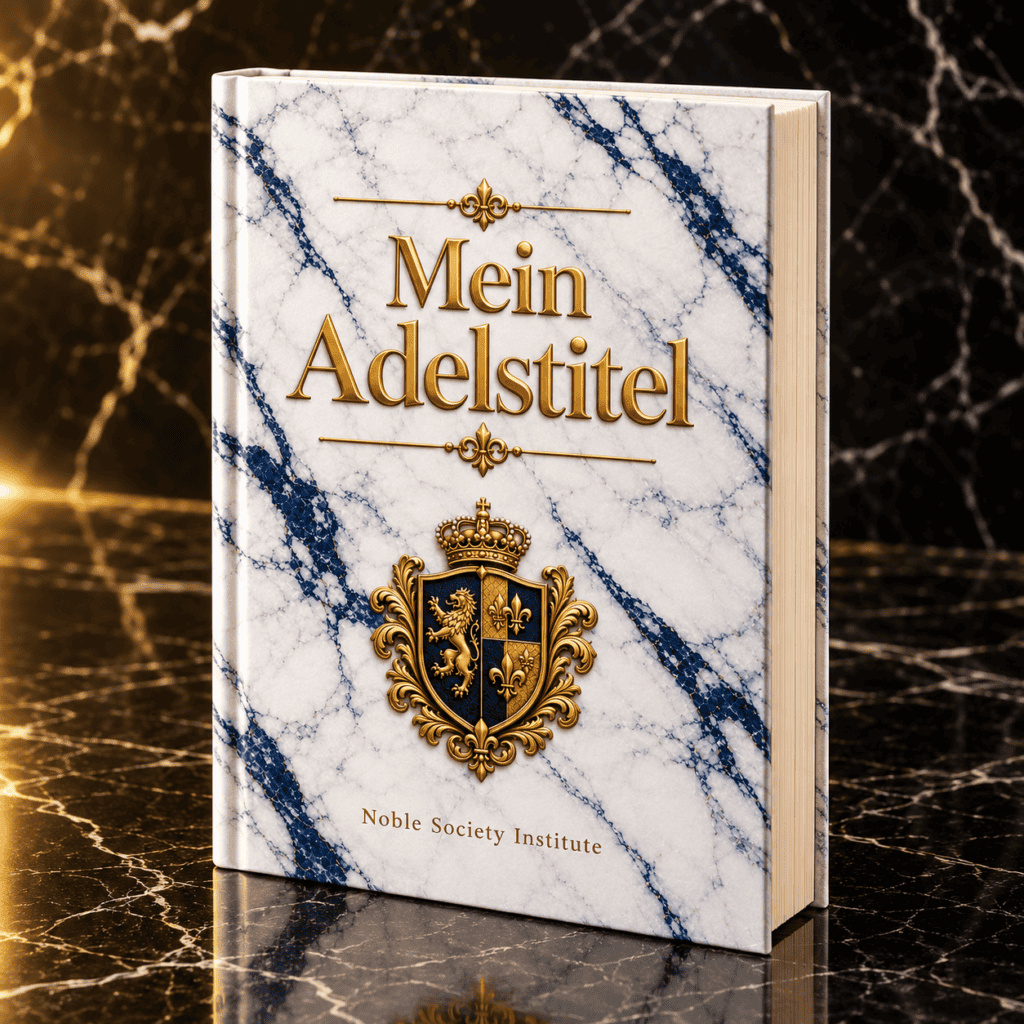
The Companion Book
The book „My Title“ takes you in detail into the multifaceted world of your new aristocratic title and offers valuable practical tips for everyday life, stylish guidance, and background information on history.
Our accessories
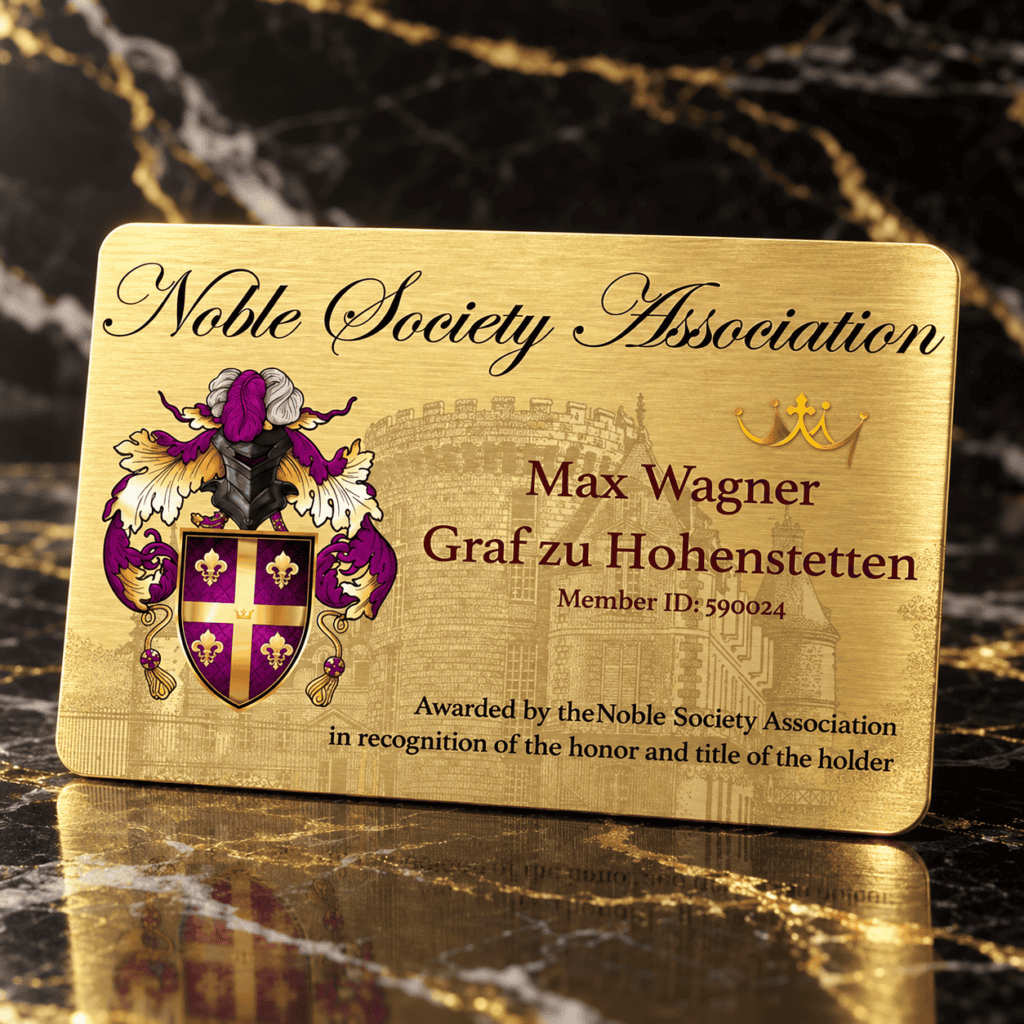
Golden ID Card
Crafted from premium aluminum in business card format, the gold ID Card makes your title look stylish and mobile.
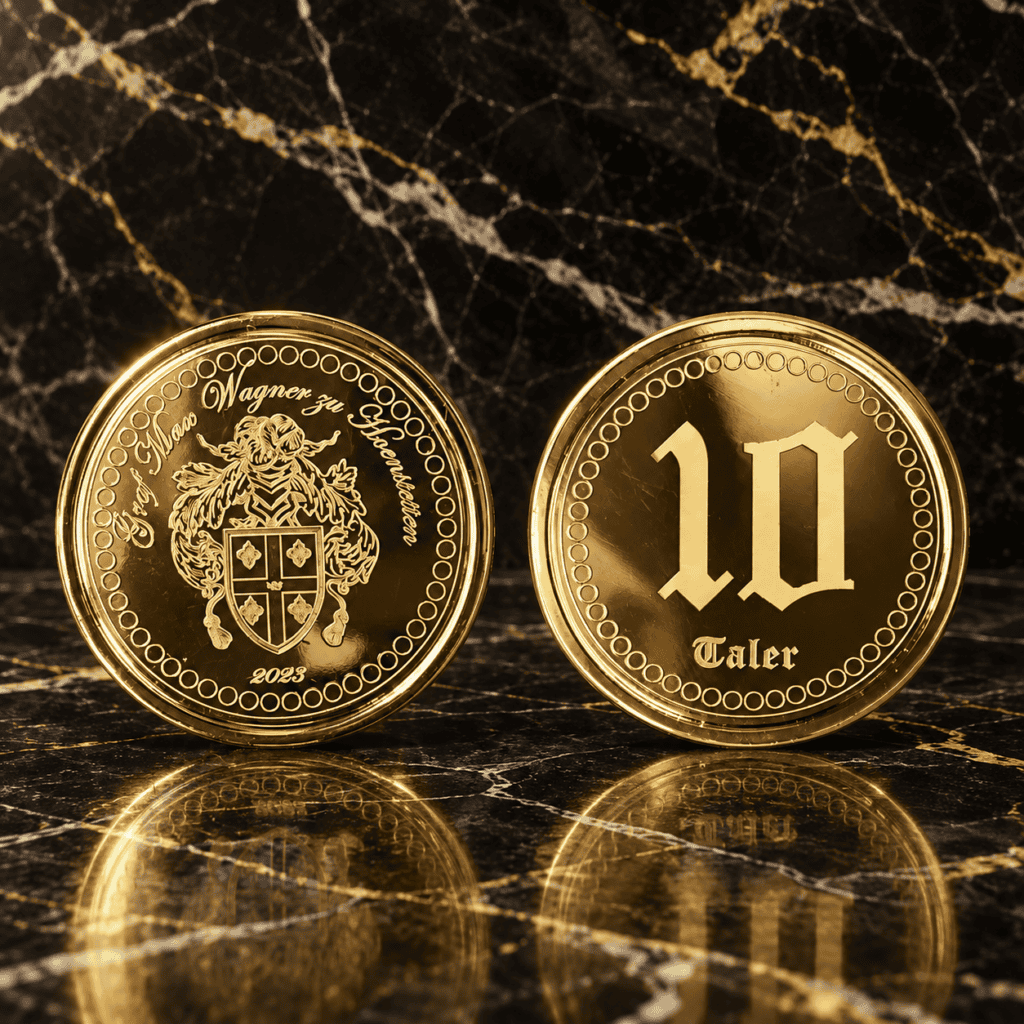
Gold coins
Fine gold and silver-plated medallions combine coats of arms, names and titles in a glossy, unique design.
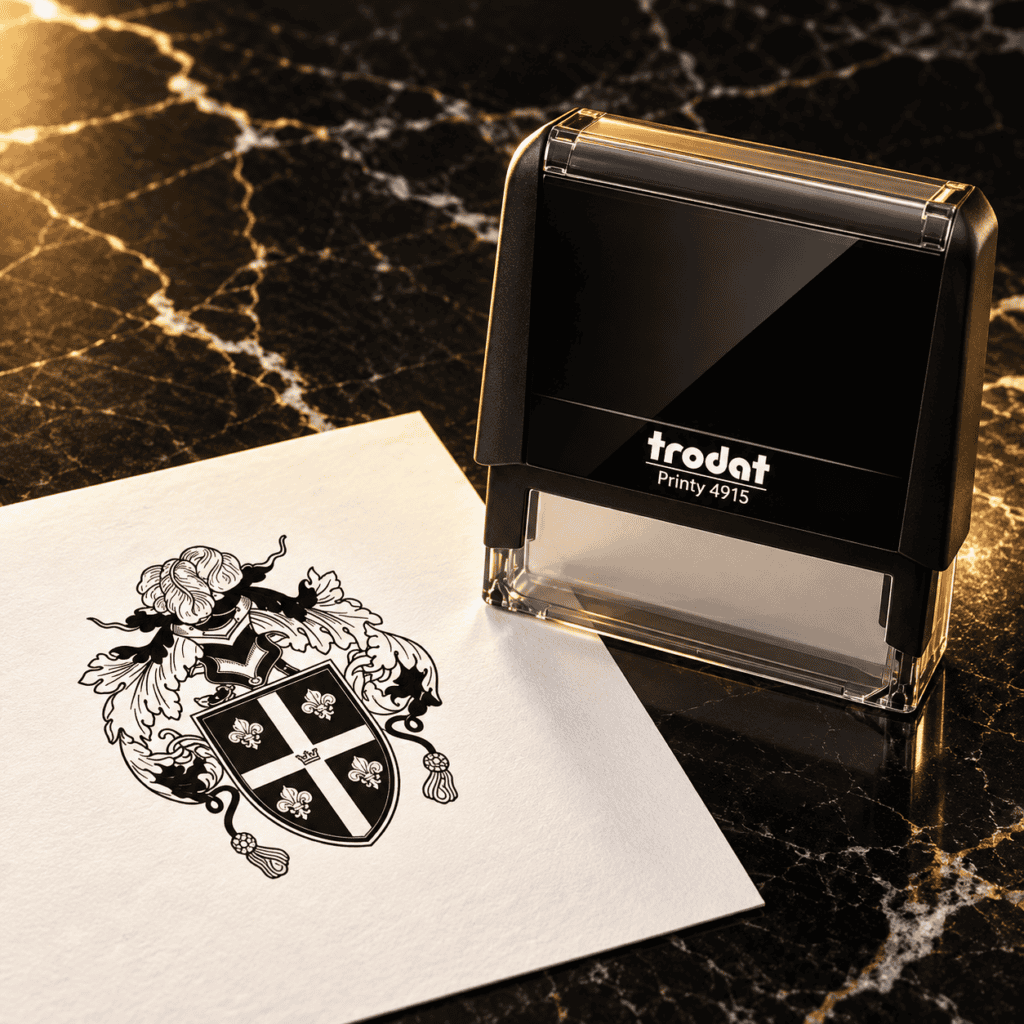
Emblem stamp
The self-inking stamp quickly, cleanly and precisely transfers your personal emblem onto letterhead paper.

My own wine
Choose fine red or white wine with an elegant, personalized label for a stylish look.
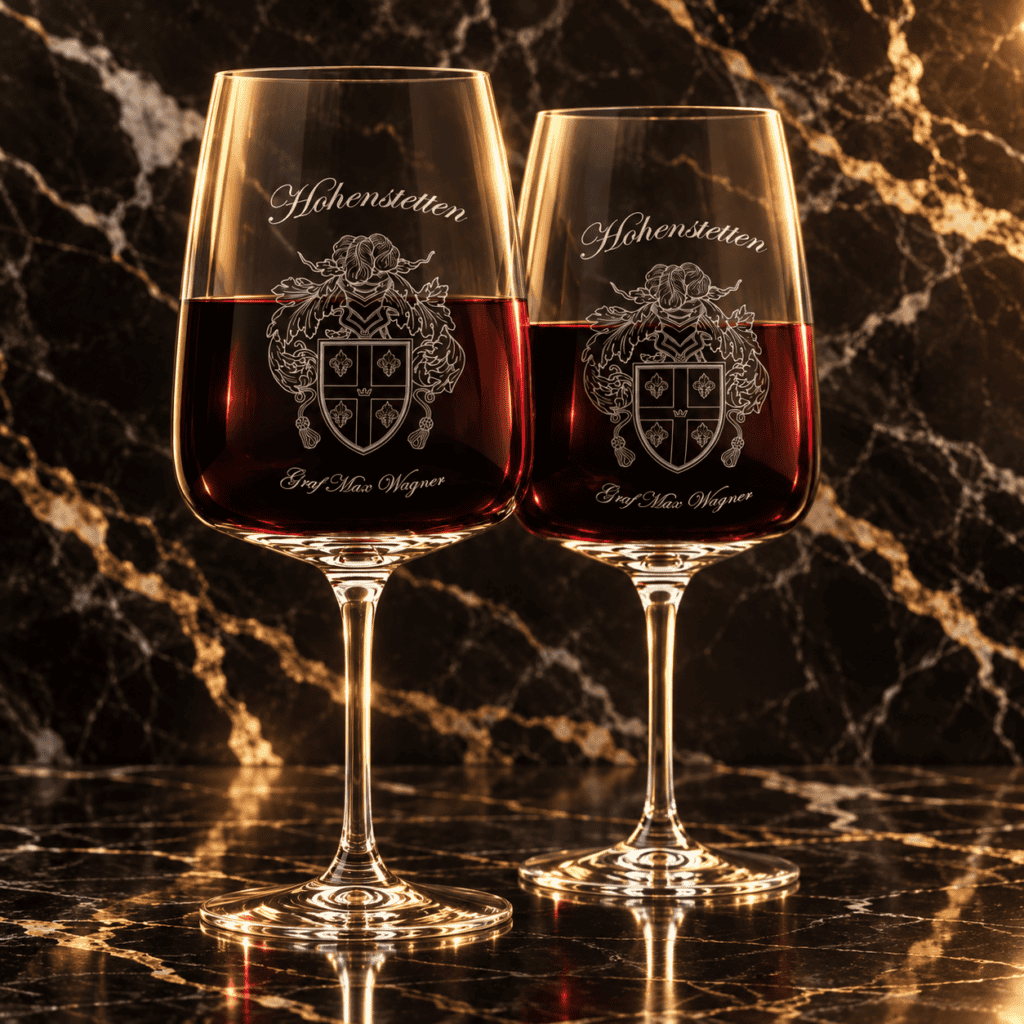
Wappen Gläser
The masterfully engraved wine glasses display their coat of arms, name and title in stunning brilliance.
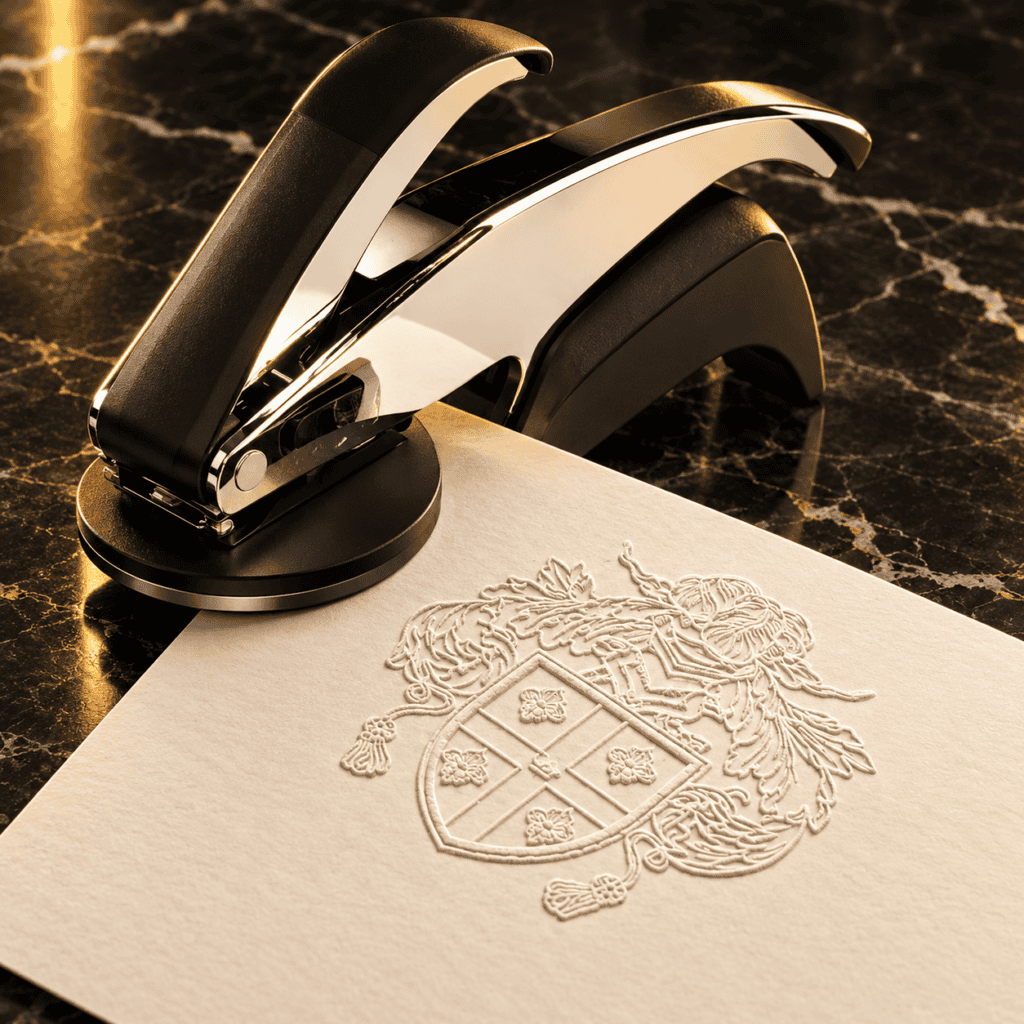
Precision pliers
The elegant embossing pliers embellishes letterheads or documents with a tactile, colourless relief embossing.
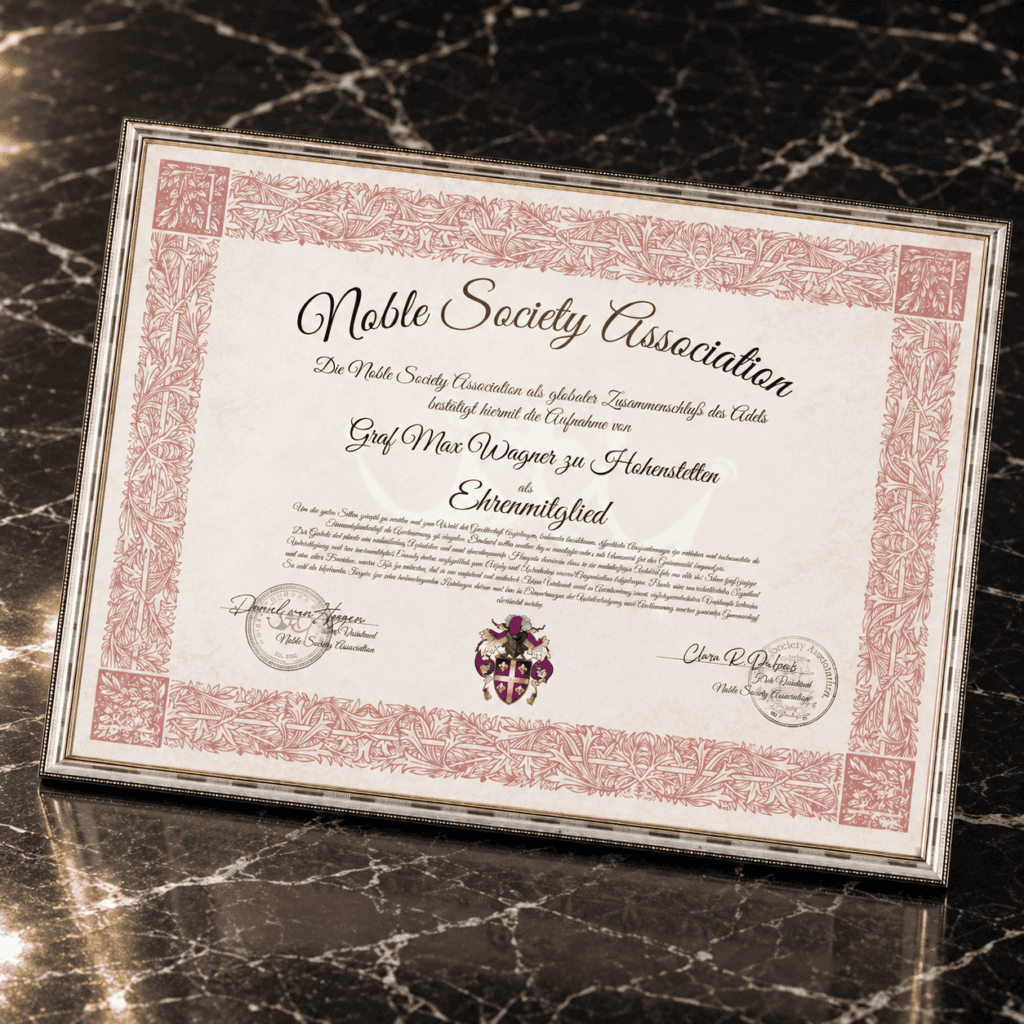
Honorary membership
Membership of the Noble Society Institute enriches your title with another dimension of exclusive representation. Validated by a magnificent certificate in your name, with no ongoing fees or obligations.