Scottish Highland Titles: Laird, Lord and Lady – History, Meaning and Present Day
Introduction: A piece of Scotland with a title
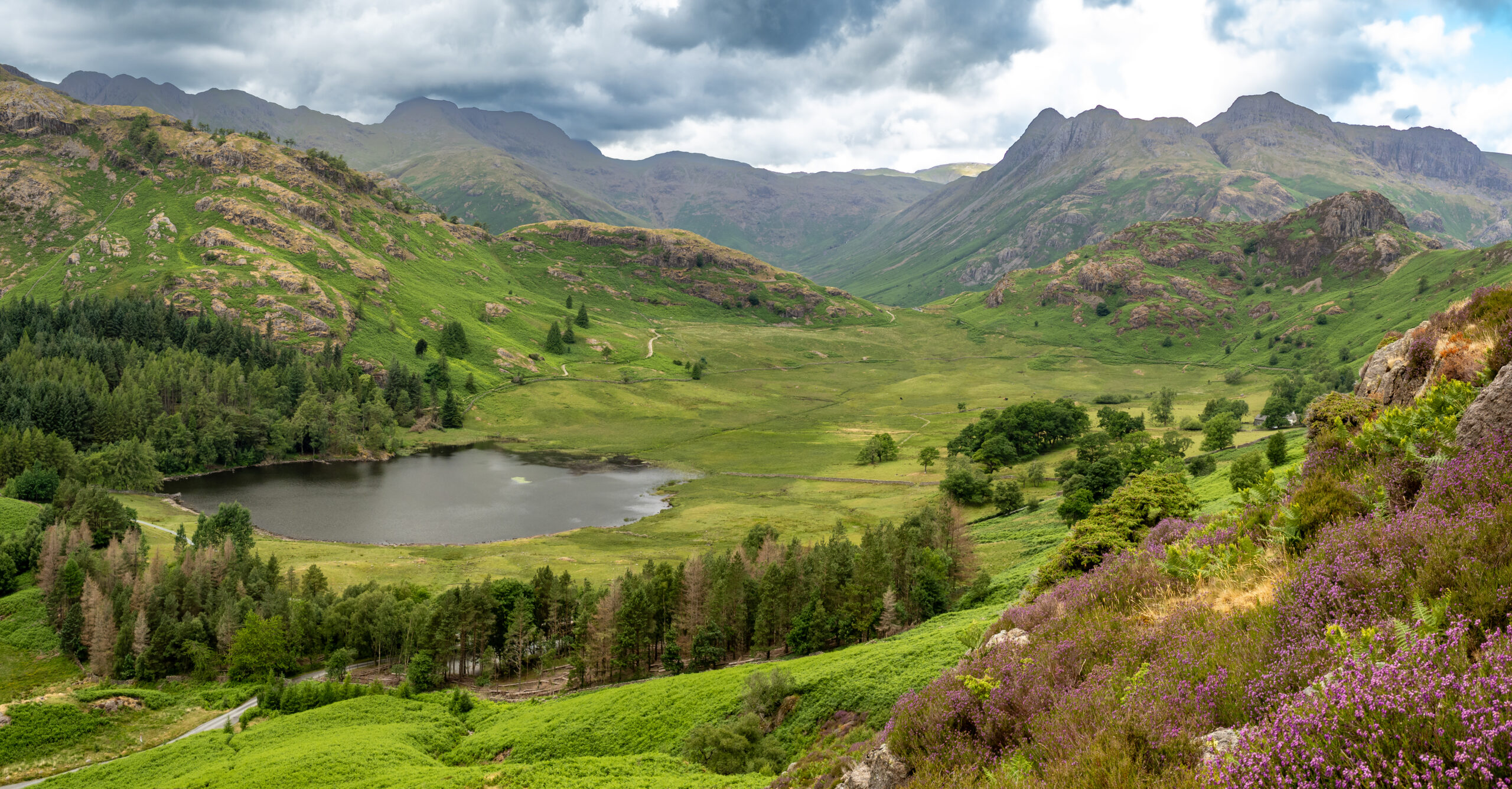
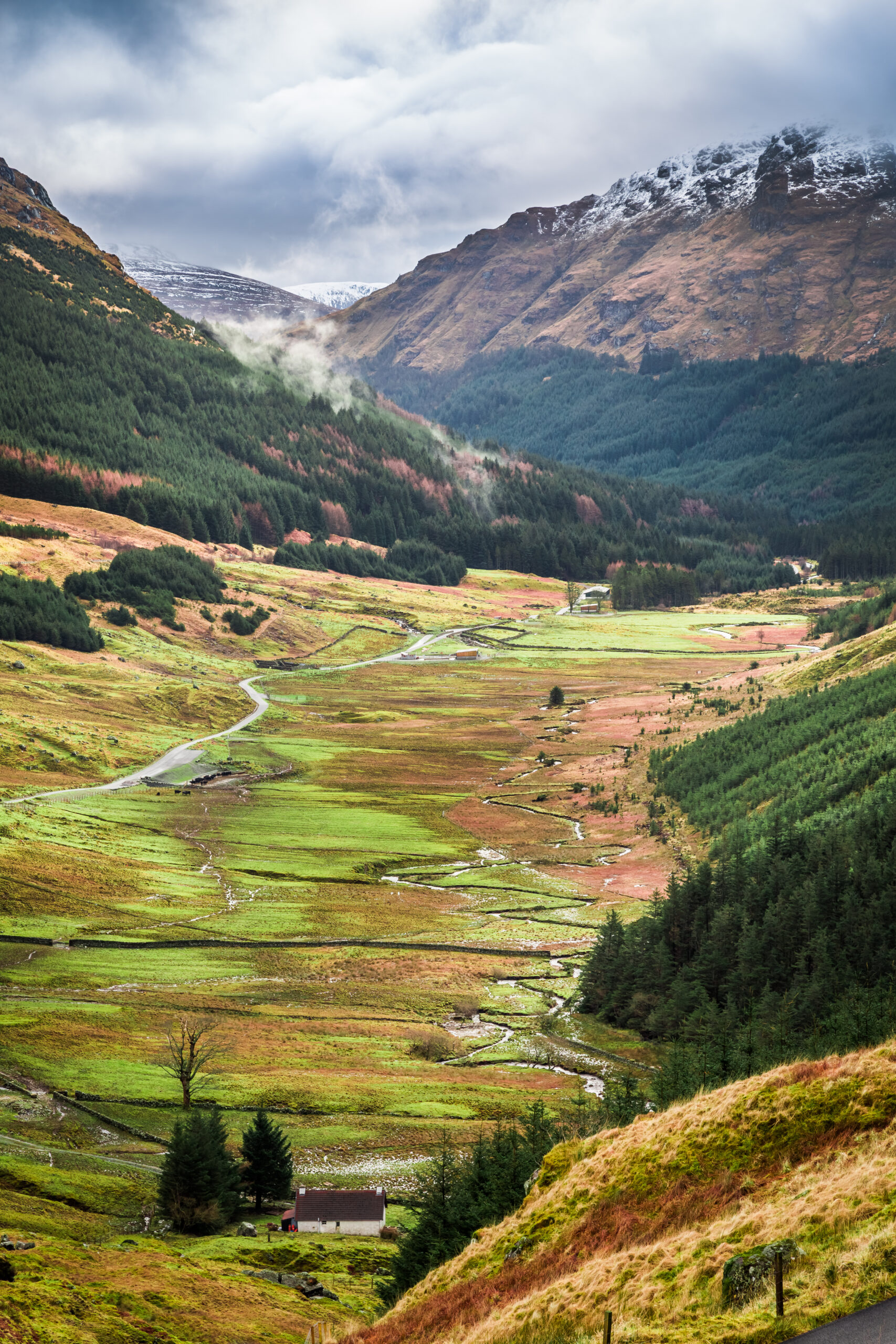
Hardly any landscape in Europe evokes as much longing as the Scottish Highlands. Fog-shrouded glens, quiet lochs, rugged mountains, heather as far as the eye can see – and right in the middle of it all the stories of clans, chiefs and proud landowners. Those interested in Scottish Highland titles usually seek exactly this feeling: a personal connection to a land whose history for centuries has been one of honor, loyalty and belonging.
Scottish Highland titles connect this tradition with a charming gift idea. At the heart of the concept is the term „Laird“ – the Scottish word for the lord of a piece of land. Those who acquire or give away such a title may, with a wink of the eye, call themselves a Laird, Lord, or Lady, and hold a Certificate in their hands that commemorates the great history of the Highlands.
In this category you will learn all there is to know: what Scottish Highland titles exactly are, where the term „Laird“ comes from, how life and the hierarchy in the Highlands have developed over the centuries, what titles existed in historical Scotland – and what role Scottish Highland titles play today.
What are Scottish Highland titles?
Today, the term Scottish Highland titles primarily refers to designations such as Laird, Lord or Lady, which are associated with a symbolic connection to the Scottish Highlands. Often this connection is tied to a small, symbolic piece of land – a so-called souvenir plot. This usually includes a decorative Certificate bearing the name of the new Laird or Lady.
The important thing here is the correct classification: Scottish Highland titles are not noble Title of nobility in the legal sense. They do not confer a seat in the House of Lords or an hereditary noble status. Their value lies elsewhere – in history, in symbolism, and in the joy they bring. This is exactly what makes them such a popular gift for Scotland lovers, whisky enthusiasts, fans of Highland novels and series, or for anyone who has Scottish roots in their family.
Laird, Lord or Lady – what is the difference?
Laird is the traditional Scottish term for the owner of a manor. The word is gender-neutral, but is now mostly used for men.
Lord is the English equivalent and sounds more familiar to many. In the context of Scottish Highland titles, „Lord“ is used as a friendly, informal address.
Lady is the feminine form and one of the most popular variants for Scottish Highland titles – especially as a gift for a partner, mother or best friend.
Your personal Scottish Highland title
Choose from traditional Scottish names – beautifully printed with your desired name as an unforgettable gift or for yourself.
Discover all Scottish titles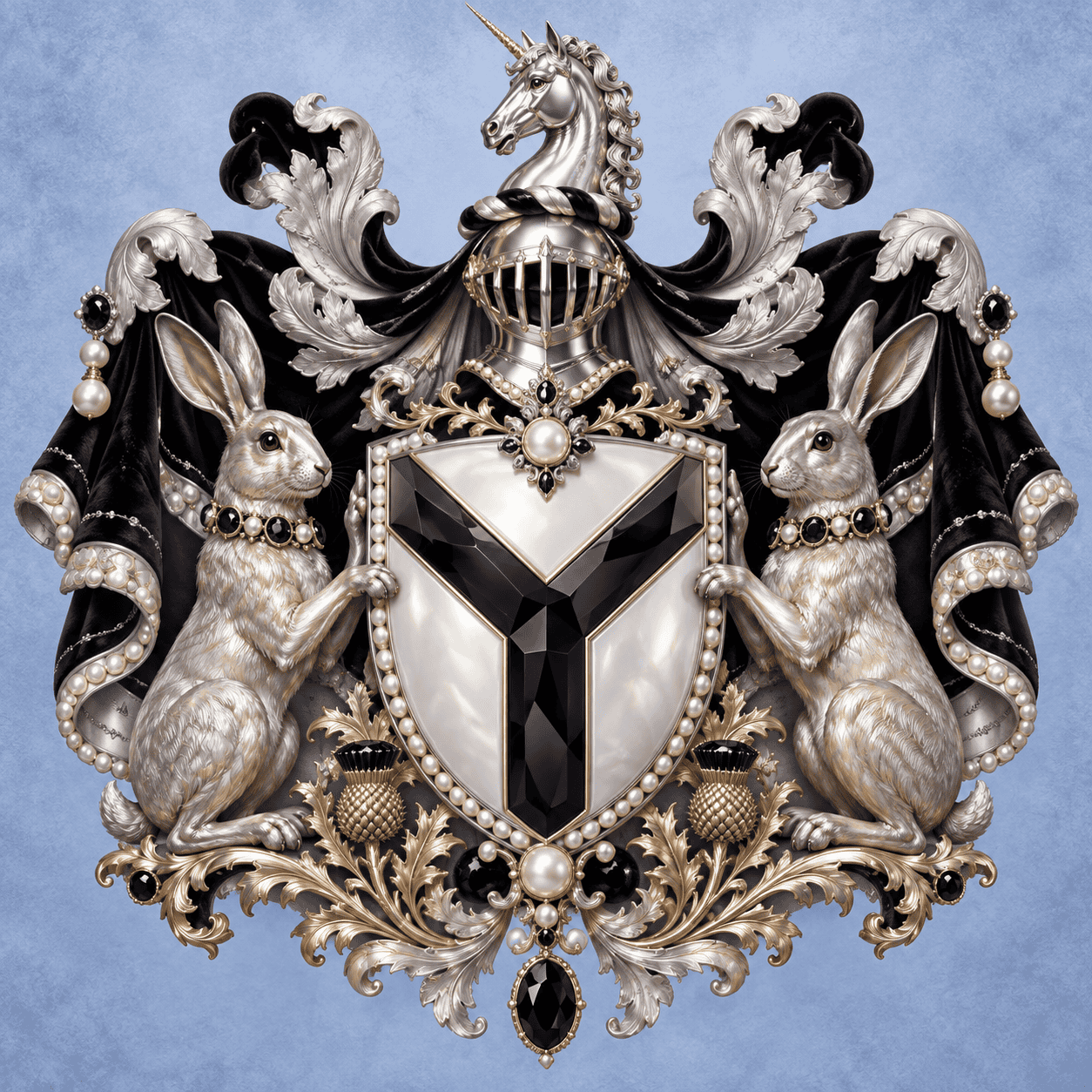
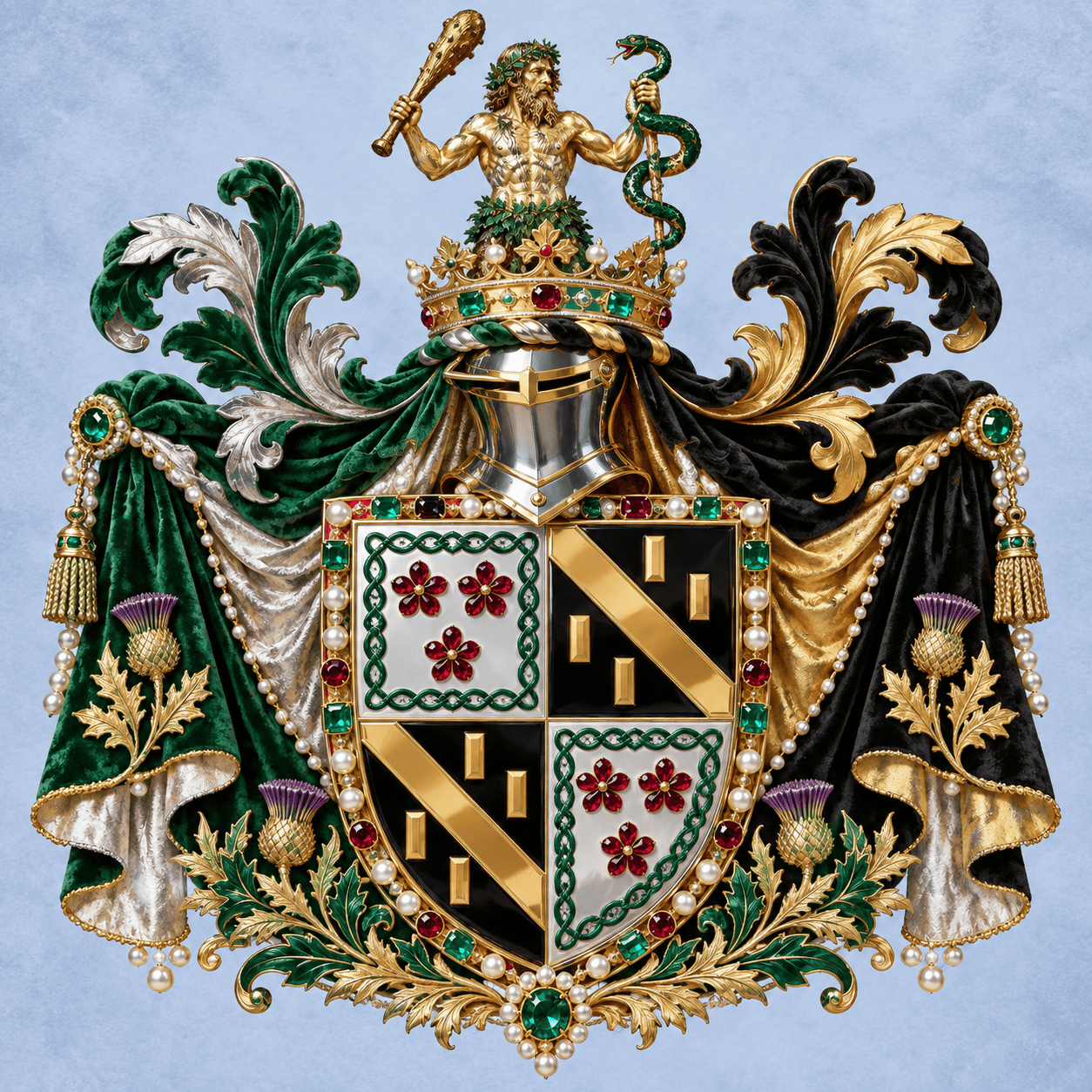
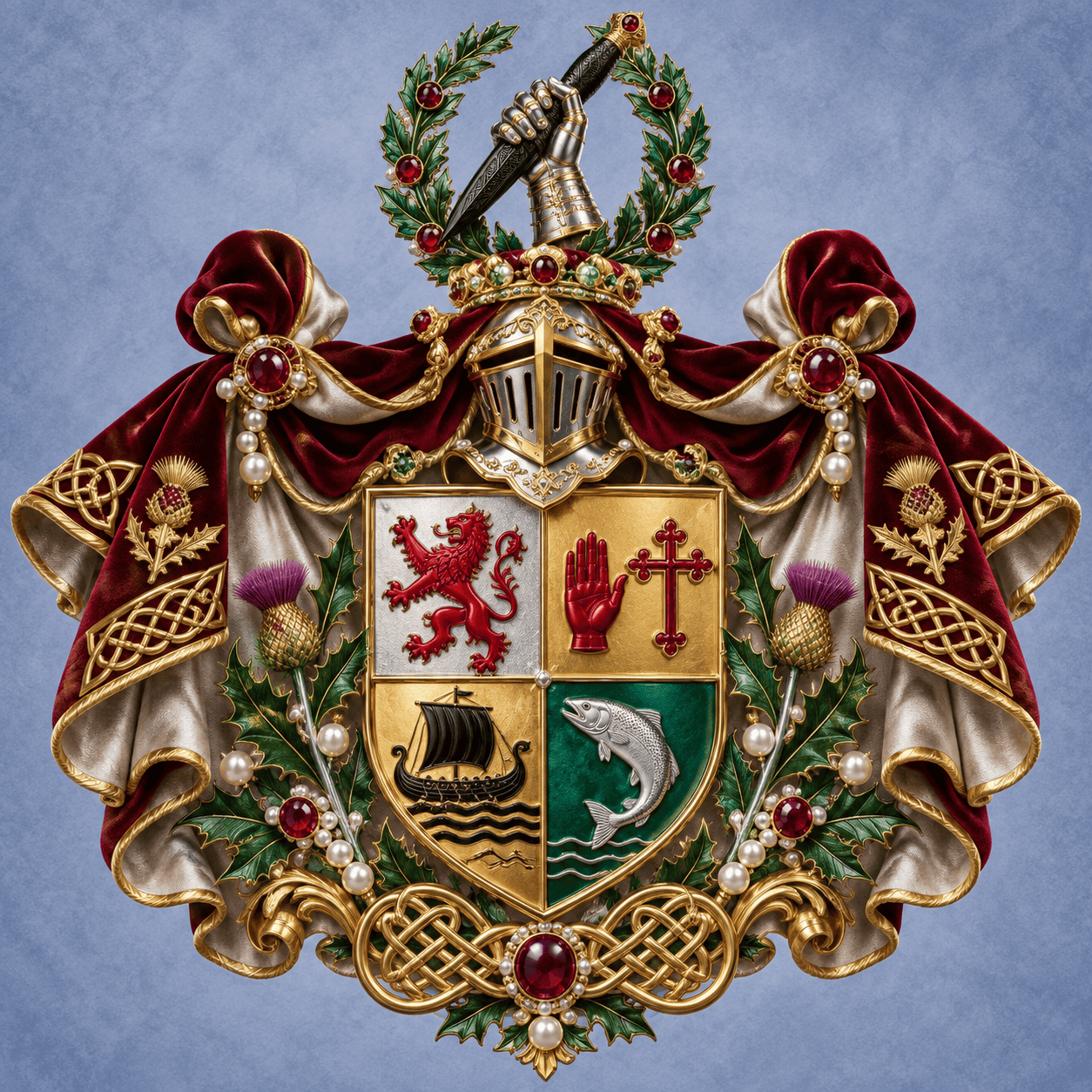
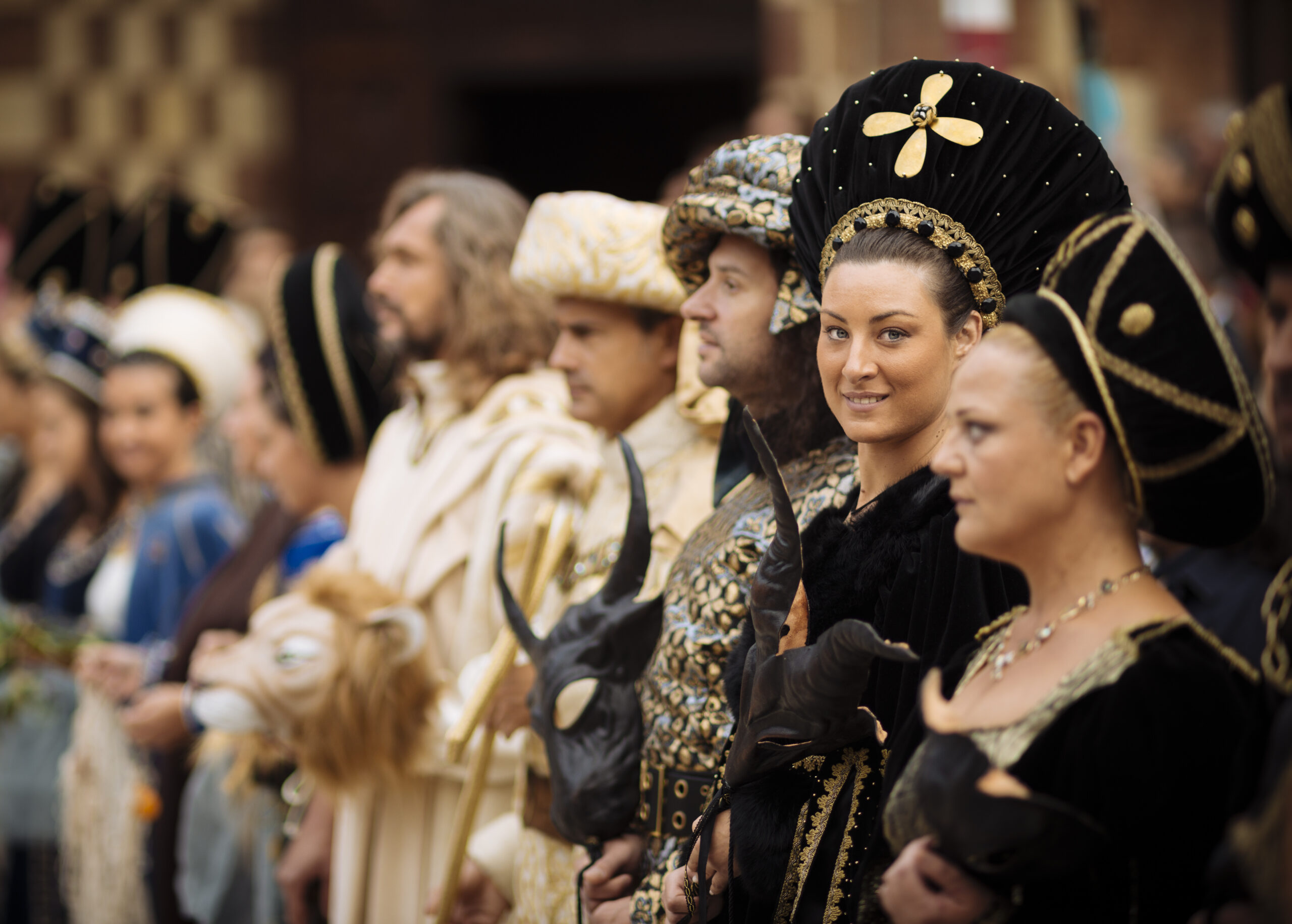
The meaning of „Laird“
The word „Laird“ comes from Scots, the Germanic language of the Scottish Lowlands, and is closely related to the English „Lord“. Both come from Old English hlāford back, which originally meant „bread provider“ – that is, the one responsible for the bread and thus for the supply of food to the people in his household.
In Scotland, for centuries „Laird“ referred to the owner of a larger estate, a so-called estate. A Laird could be noble, but he did not have to be. Many Laird were part of the so-called Landed Gentry, the landowning, non-titled citizens. What mattered was not the nobility but the possession of land – and the responsibility that came with it.
Traditionally, a Laird was often named after his estate. For example, „Mr. Smith of Glenfinnan“ could simply be referred to as „Glenfinnan“ in the area. This form of designation after the property – in English territorial designation – is still a typical feature of Scottish naming culture to this day.
The Court of the Lord Lyon, the Scottish authority responsible for heraldry and coat of arms law, has always emphasized that „Laird“ is a description of land ownership and not an appointed rank. It is precisely this openness that makes the term so appealing: to be a Laird means having a connection to the land.
History of the Scottish Highlands
To understand the fascination with Scottish Highland titles, it is worth taking a look at the turbulent history of this region.
Early rule: Mormaers and Thanes
In early medieval Scotland, power was held by regional rulers. The Mormaers – literally „great administrators“ – ruled over extended provinces and were directly subordinate to the king. Under them, the Thanes administered smaller territories on behalf of the Crown. From many of these offices, the Scottish counties, the Earldoms, later developed. Shakespeare’s „Macbeth“, Thane of Glamis and Thane of Cawdor, has made these titles world-famous.
The clan system
The defining element of the Highlands for centuries was the clan system. The Gaelic word clann means „children“ or „descendants“ – a clan saw itself as a large family that relied on a common ancestor. At the head was the chief, the head of the clan. He was the leader in war, the judge in disputes, and the protector of his people.
Below the Chiefs were the Chieftains, the heads of individual branches of a clan, as well as the Tacksmen. Tacksmen were usually close relatives of the Chiefs, who leased larger tracts of land, passed them on to sub-tenants, and in case of war led the men of their territory. The relationship between Chief and clan was based on mutual loyalty: the Chief offered land and protection, the clan members offered allegiance and labor.
The land was much more than just a possession. It was home, identity and a way of life. The deep connection between people and the land is at the core of what the Scottish Highland Titles still symbolize today.
The Lords of the Islands
The Lords of the Isles played a special role, ruling over the Hebrides and large parts of the west coast from the 14th century onwards. Their power was at times almost a separate kingdom within Scotland. In 1493, the Lordship of the Isles was annexed by King James IV. The title „Lord of the Isles“ has since been one of the titles of the Scottish heir to the throne and is still held by the British heir to the throne.
The Jacobite uprisings and Culloden
In the 17th and 18th centuries, the Highlands became the scene of major political upheavals. After the deposition of the Catholic King James VII (James II of England) in 1688, many Highland clans supported the so-called Jacobites, who wanted to restore the House of Stuart to the throne. This was followed by several uprisings, the most famous being in 1715 and 1745.
The rebellion of 1745 under Charles Edward Stuart, better known as „Bonnie Prince Charlie“, ended on April 16, 1746, in the Battle of Culloden near Inverness. The defeat of the Jacobites was the end of an era.
The end of the old order
After Culloden, the British government specifically destroyed the power of the clans. The Heritable Jurisdictions Act of 1746 took away the hereditary jurisdiction of the Chiefs and Lords. The Act of Proscription prohibited the wearing of arms and – through the so-called Dress Act – even the wearing of tartans and kilts. This ban was only lifted in 1782.
In the following decades, the relationship between the Chiefs and clan members changed fundamentally. From leaders, they became landowners who wanted to use their land economically. This was followed by the Highland Clearances: between the mid-18th and mid-19th centuries, numerous families were driven from their land to make room for large sheep pastures. Many Highlanders migrated to Canada, the USA, Australia, and New Zealand. Today, therefore, millions of people worldwide are of Scottish descent – and many of them still feel deeply connected to their old homeland.
The Romantic Rediscovery
In the 19th century, the Highlands experienced a remarkable revival – not politically, but culturally. The writer Sir Walter Scott made the Highlands popular throughout Europe with his novels. In 1822, he organized King George IV’s visit to Edinburgh, where the King wore a kilt. Tartan became overnight from a forbidden garment a symbol of Scottish pride.
Queen Victoria and Prince Albert also fell in love with the Highlands. In 1852, Albert acquired the estate of Balmoral in Aberdeenshire, which to this day remains a summer residence of the British royal family. By now, the idea of owning one’s own country estate in the Highlands had become synonymous with elegance and lifestyle – a longing that continues to be echoed in Scottish Highland titles to this day.
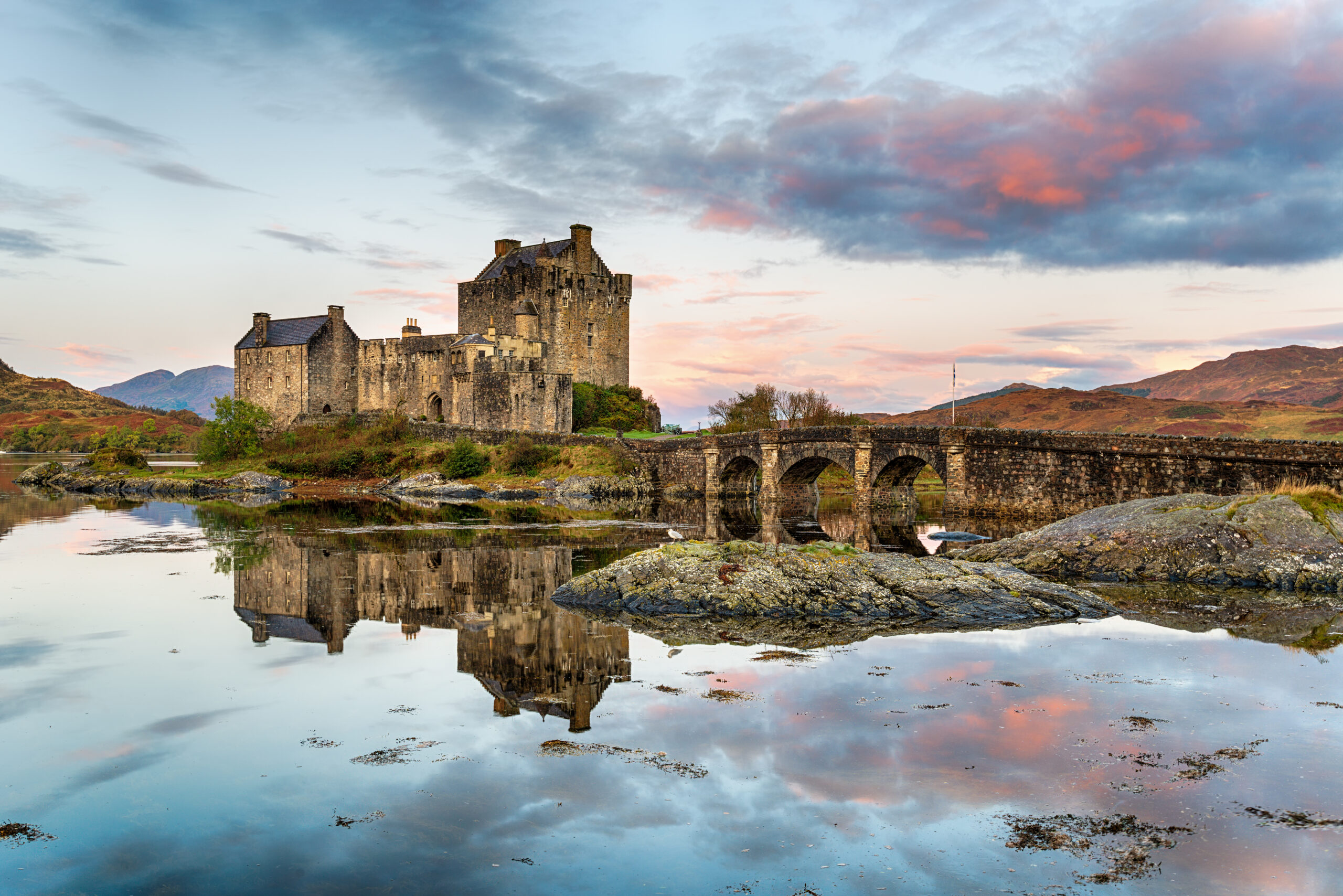
Historical titles and dignities in Scotland
Anyone who deals with Scottish Highland titles quickly encounters the diverse landscape of titles in Scotland. An overview:
The Peerage of Scotland
The Scottish nobility, the Peerage of Scotland, knew the following ranks until the union with England in 1707, from top to bottom:
- 1. Duke (Prince)
- 2. Marquis (Markgraf)
- 3. Earl (Count)
- 4. Viscount (Vizegraf)
- 5. Lord of Parliament (Lord)
A Scottish peculiarity: There was no rank of „Baron“ in the Peerage of Scotland. The lowest level of nobility was the Lord of Parliament. After 1707 no new titles were created in the Peerage of Scotland; new ranks henceforth arose in the Peerage of Great Britain and later the United Kingdom.
Feudal Barons
In addition to the nobility, there were feudal barons in Scotland. A baronage was originally tied to a specific landholding and associated with its own rights, such as a lower jurisdiction. With the land, the baronage was also passed on – and could even be sold.
Baronets
An hereditary title below nobility was the Baronet. In 1625 King Charles I created the Baronets of Nova Scotia to promote the settlement of the colony of the same name in Canada. Baronets carry the surname „Sir“, but are not part of the peerage.
Chiefs and Chieftains
A very special tradition are the titles of the clan chiefs. A recognized chief of the name is traditionally addressed with the clan name, often with a preposed definite article – for example „The Mackintosh“ or „The MacLeod of MacLeod“. Recognition as a chief takes place through the Court of the Lord Lyon.
Lairds
And finally the Laird: the landowner who owned a manor and was named after him. The Lairds formed the backbone of rural society in Scotland over the centuries – and it is they who today remember the Scottish Highland Titles.
Scottish Highland Titles in the Present
The End of the Feudal System
Scottish feudal law existed formally until the 21st century. With the Abolition of Feudal Tenure etc. (Scotland) Act 2000 it was abolished. Since the date of entry into force, November 28, 2004, land ownership in Scotland is no longer organized in a feudal manner. The feudal baronies remained as pure titles – they have not been tied to land since then.
What Scottish Highland titles mean today
Today, Scottish Highland titles are first and foremost an emotional, personal gift with history. They stand for the connection to Scotland, for romance, humor, and style. The term Laird, Lord, or Lady is understood as a loving self-description – on the wedding invitation, on the door plaque, in the whisky club, or simply with a smile in the circle of friends.
Transparency also includes legal classification: Small symbolic plots of land that are acquired primarily for sentimental reasons are considered so-called souvenir plots of land under Scottish law. According to the Land Registration etc. (Scotland) Act 2012, they cannot be entered in the Scottish land register. Nor is registration in the passport or in official documents possible with Scottish Highland titles. Their value is deliberately symbolic – and that is precisely what makes them appealing.
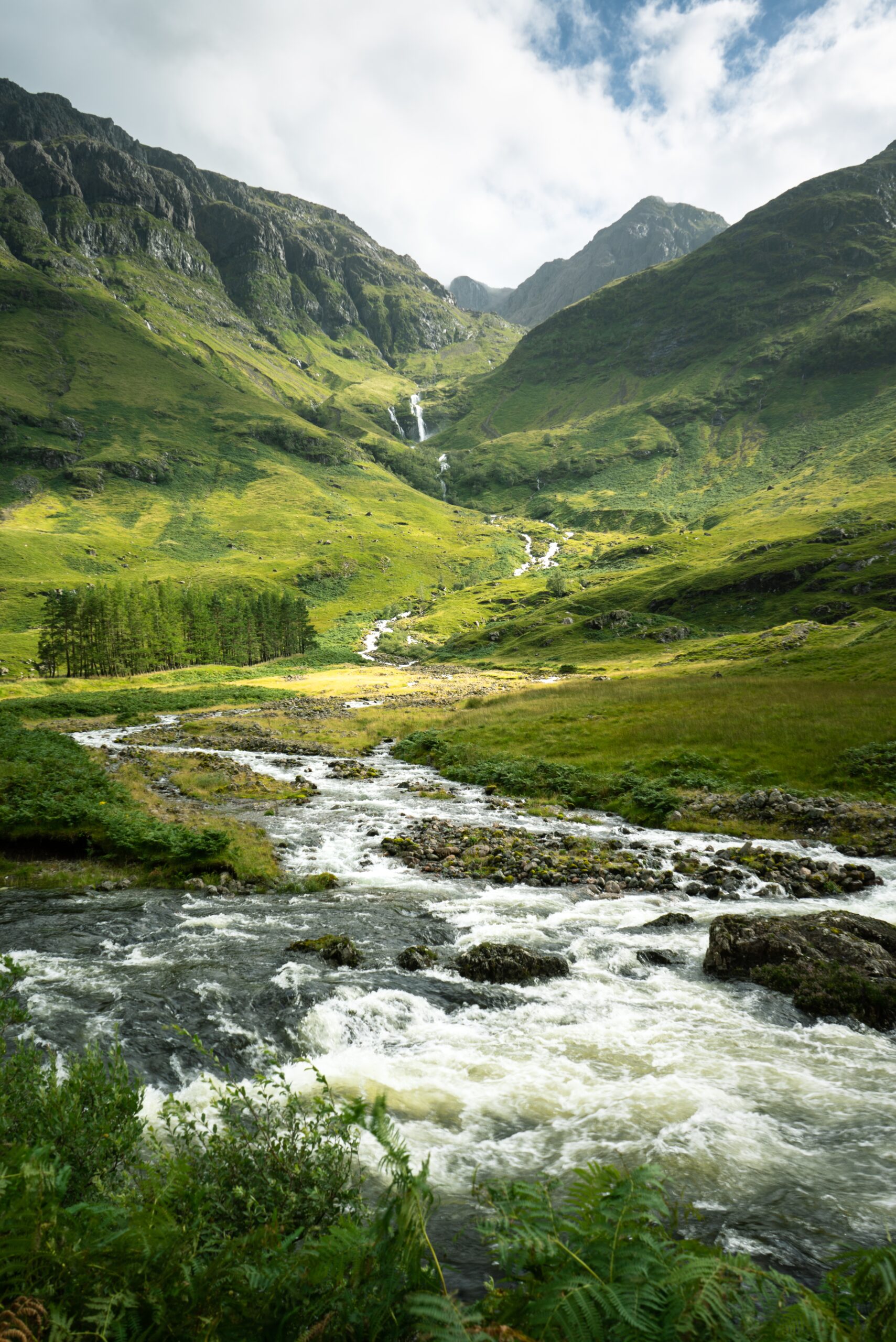
Why Scottish Highland titles are so popular
- A gift with history: Behind every title lie centuries of clans, castles, and legends.
- Personal and unique: The certificate bears the name of the recipient – a gift that no one forgets.
- For every occasion: Birthday, wedding, anniversary, retirement, Father's Day, Mother's Day or Christmas.
- Ideal for Scotland fans: For whisky lovers, hikers, readers of historical novels, and everyone with Scottish roots.
- With a wink: Anyone who calls themselves „Laird“ or „Lady“ in the future is guaranteed to be the talk of the town.

If a Scottish clan chief wanted to call his warriors to arms, he did not send sealed parchments, but the dreaded Crann Tara, The Fiery Cross. Two apple branches were tied together in the shape of a cross, held at the ends in open flames and then extinguished in the fresh blood of a sacrificed goat. Two chosen runners grabbed the smoking wooden sign and sprinted for days through moors, fog-filled valleys and rocky crevices, shouting the clan name and the secret gathering place into the valleys. Anyone of sound mind between the ages of sixteen and sixty who saw the bloody cross had to immediately drop their plough or fishing hook, tighten their broadsword belt and set off. Anyone who ignored the unmistakable marching order or arrived at the meeting point too late was considered a defector who had betrayed the clan; the punishment, according to ancient clan tradition, was that their own hut was burned to the ground in the sight of the clan.
In the rugged highlands, a man was only considered a fully-fledged warrior and eligible for marriage as a noble when he demonstrated his skills in the traditional Cattle raiding The theft of Highland cattle was by no means considered a dirty crime, but rather a highly regarded chivalric sport and the ultimate test of courage for young nobles. The chief’s son led a handful of followers through the territory of an enemy neighboring clan in the protection of moonless nights, slipped past the guards and drove dozens of woolly cattle over treacherous mountain passes back to his own glen. If caught in the act, a bloody chase ensued, with stab wounds serving as honorable trophies. However, if the loot was not discovered unnoticed, the young leader of the entire village community would throw a gigantic barbecue party – and prove to his father that he possessed the qualities to become the new clan leader on horseback.
By the headgear one could already recognize in the Highlands who one was dealing with from a distance, because the feathers on the traditional Balmoral barrette were subject to an iron code of honor. A simple clan member only carried the clan plant – perhaps a heather branch or a thistle – behind the metallic coat-of-arms brooch. Chieftain, The 'sub-leader' who ruled over a particular branch of the family was allowed to adorn himself with exactly two proud feathers. The absolute privilege of wearing three distinctive feathers of the stone eagle on the hat was reserved exclusively for the officially recognized head of the entire genus, the Clan Chief. When two Chiefs met in the Highlands, the bodyguards first controlled the opponent’s feather ornaments to maintain the correct order; anyone who was improperly caught with three feathers provoked a deadly pistol duel immediately, for assaulting the majesty.
After the devastating defeat of the Jacobite clans in the Battle of Culloden in 1746, the British Crown decided to eradicate the military culture of the Highlanders once and for all. With the draconian Act of Proscription In 1747, London banned the wearing of kilts, plaids, and any other tartan patterns throughout the Highlands. Anyone caught wearing their traditional attire was sent to prison for six months for the first offense and, on the second offense, banished to the tropical colonies overseas for seven years as forced laborers. However, the Highlanders did not give up their identity without a fight: To circumvent the law, many men hurriedly sewed their kilts together in the middle so that they could pass off as trousers in front of the English patrols, or secretly wore the banned clan tartan inside their plain wool jackets.
The power of a Scottish chief was not based on anonymous maps, but on a deep belief in common ancestry and the system of kinship. Fosterage. To forge eternal alliances between hostile clans, clan leaders handed over their firstborn sons to friendly families of clan members, where the prince children grew up for years as their own sons. The loyalty between these blood brothers was often many times stronger than that of true blood ties; in battles, the blood brothers formed the unshakable bodyguard of the young chief and rushed into the enemy ranks without hesitation. When the ruler eventually grew old and frail, the clan did not automatically choose the eldest son as the successor, but the most capable warrior from the family, Tanist. A weak, sickly or cowardly heir to the throne was mercilessly ousted by the assembly of the elders of the clan – for in the stormy highlands a clan did not need a tender spirit, but a leader with steel-hard nerves and a sharp blade.