Chinese and Japanese titles: Shogun, Kara-Taishi, Tianzi and the ranks from Count to Prince
Introduction: Between the Imperial Palace, Castles and Far Eastern Dignity
Hardly any two cultures have shaped the idea of disciplined strength, refined court etiquette, mysterious symbolism, and millennia-old history as deeply as China and Japan. When it comes to Chinese and Japanese titles, images immediately appear before the inner eye: silent mountain fog and ancient pagodas, cherry blossoms before dark castle walls, samurai armor, silk robes, imperial court ceremonies, and resonant titles such as Shogun, Kara-Taishi, or Tianzi.
In our categories Chinese titles and Japanese titles Two fascinating traditions meet, which have stood in lively cultural exchange over the centuries – and at the same time have each produced entirely unique systems, concepts, and symbols. China boasts one of the oldest continuous imperial and bureaucratic hierarchies in the world, while Japan developed a distinct courtly world (Kuge) and a powerful sword and fiefdom system (Buke / Samurai).
For anyone interested in such titles as a symbolic gift, as a collector’s item, or as a stylish recognition with a wink of the eye, the special appeal lies precisely in this depth. A title from China or Japan does not sound like ordinary trinkets – it has a distinct, mysterious, honorable, and historical feel.
On this page, we take you through this world in detail: we explain what Chinese and Japanese titles mean today, and present key terms such as Shogun, Kara-Taishi and Tianzi Before, the Far Eastern counterparts to Count, Margrave, Duke and Prince, Let’s take a look at the historical context all the way back to the modern era and explain why these titles are so popular as gifts.
What do Chinese and Japanese titles mean today?
In advance, a clear and honest classification is also required here: Chinese and Japanese titles, as they are awarded today in the context of symbolic documents, honors, or representative gifts, are No legally valid titles of nobility or state honors. In China, the imperial era ended in the early 20th century, and in the People's Republic of China there is no legal nobility. In Japan, the hereditary peerage (Kazoku) was abolished after World War II as part of the constitutional reform of 1947 – only the Imperial House remains.
A symbolic title therefore does not confer political authority nor land ownership or an official name suffix on the card. However, this is precisely what makes it appealing as a gift and collector's item: it invites us to immerse ourselves in distant eras, to assume a special role with a smile, or to bring extraordinary joy to a loved one.
More interesting difference than in Europe: In Europe, many immediately think of knightly castles, fiefs, and hereditary titles when they think of „noble status.“ In China, for centuries, the mandate of heaven, imperial dynasties, and a learned bureaucracy shaped the image, while in Japan, court nobility, fief princes (Daimyo), and the Shogune determined the power relations for centuries.
Shogun, Kara-Taishi and Tianzi: Three resounding figures with history
Among the special titles in our range, three terms stand out particularly because they each represent a completely unique historical and cultural image:
The historical commander-in-chief and de facto ruler of Japan during the Shogunate (including the Kamakura, Ashikaga, and Tokugawa periods). While the Emperor formally held the highest rank, the Shogun, as military regent, directed the affairs of the country.
A resounding, highly prestigious title with an East Asian connotation (related to the concept of Crown Prince/Grand Knight or „Taishi“). It combines the weight of high status with the fascinating encounter between the Chinese and Japanese titles.
Literally the „Son of Heaven“ (*Tiānzǐ*) – the prestigious title of the Chinese emperor. According to Chinese tradition, the Tianzi ruled on behalf of heaven as the highest mediator between heaven and earth.
Discovering Chinese & Japanese titles
Discover selected documents and titles from the world of Japan and China – ideal as a special gift with a personal name or as a stylish collector's item.

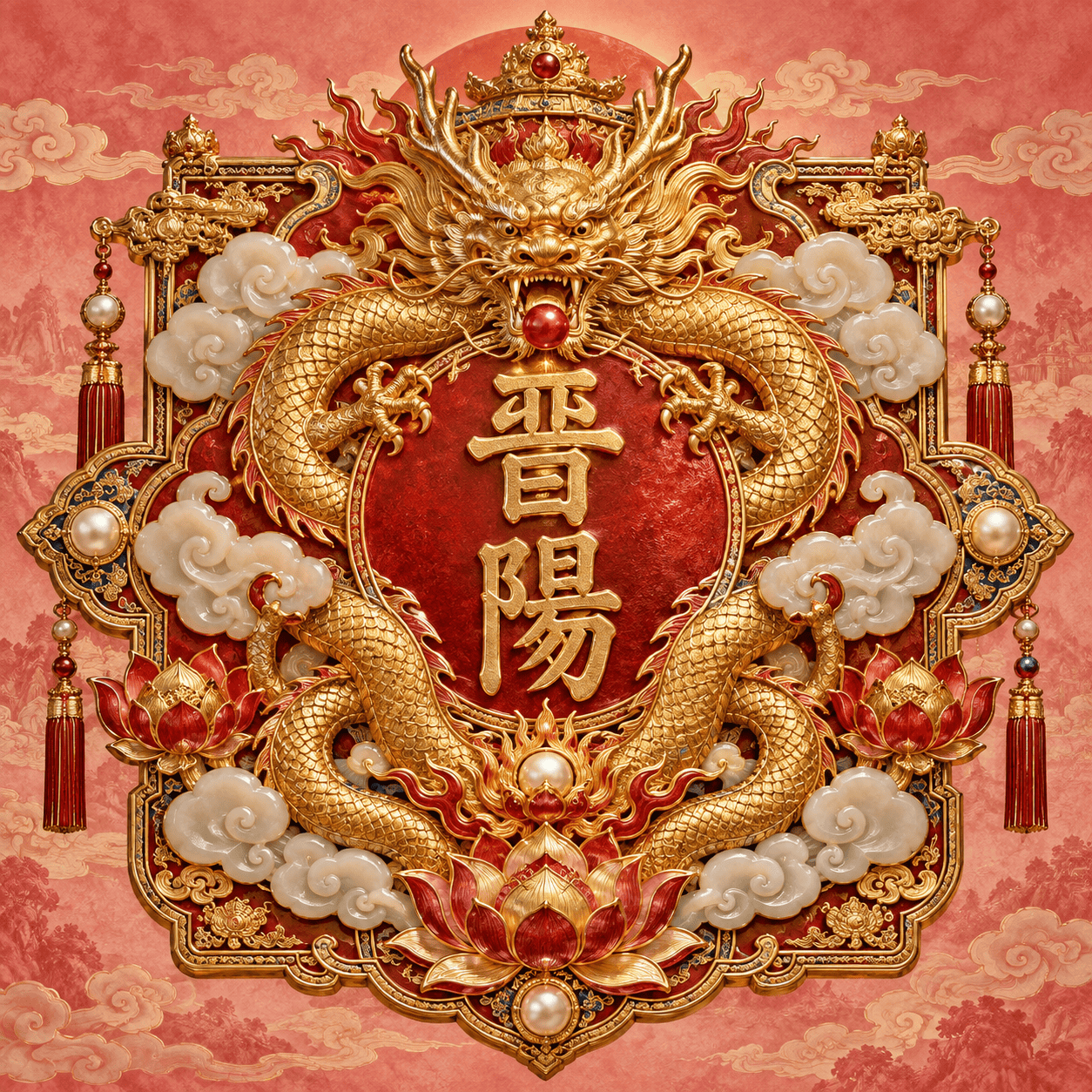
Shogun, Kara-Taishi and Tianzi in detail
Shogun: The Sword Regent over Japan
The term Shogun (Abbreviation for *Sei-i Taishōgun*, traditionally „The Great General Who Defeats the Barbarians“) in medieval Japan, it evolved from the military commander-in-chief to the actual center of power of the empire. Especially from the Kamakura period (starting in 1192) and later under the Tokugawa shoguns in Edo (present-day Tokyo, 1603–1867), the actual political and military power lay in the hands of the shoguns.
The Japanese Emperor (Tenno) resided in Kyoto and embodied the sacred and dynastic leadership, while the Shogun, as supreme commander and administrator, ruled the country and controlled the daimyō (feudal lords). The title „Shogun“ therefore stands, like hardly any other, for strategic leadership, discipline, strength, and the age of the samurai.
Kara-Taishi: High status in the East Asian Klangraum
With Kara-Taishi We encounter a title that stands out particularly for its soundly dignified character. In East Asian title traditions, „Taishi“ refers to a high, outstanding rank (in historical contexts, for example, to the ranks of crown princes or grandees), while „Kara“ in Japanese usage has traditionally also been used as a reference to the distant mainland or China, thereby lending a touch of great East Asian tradition.
On a Certificate, „Kara-Taishi“ seems mysterious, sublime, and extraordinary – a name that immediately arouses curiosity and breathes history.
Tianzi: The „Son of Heaven“ in ancient China
Hardly any Chinese ruling title is as symbolic as Tianzi (Tianzi, „Son of Heaven“). Already in the Zhou Dynasty, the famous „Mandate of Heaven“ was associated with this: The ruler did not rule by his own will, but as an appointed intermediary between heaven and the people on Earth.
As long as he ruled with justice, virtue, and for the good of the empire, the mandate was considered secure; if severe crises, famines, or the decline of a dynasty occurred, this was interpreted as a sign that Heaven had withdrawn its mandate. Later, in addition to *Tianzi*, the title *Huangdi* („Emperor“) was added; however, *Tianzi* remained a lofty, poetic, and philosophically charged designation.

The Chinese Title System: From Antiquity to the Imperial Period
China possesses one of the oldest and most systematically organized ranks and titles in the history of the world. As early as the Zhou period, there were graded ranks of honor for princes, vassals, and dignitaries that were later developed by various dynasties—from Qin and Han through Tang and Song to Ming and Qing.
Characteristic of the Chinese Empire was the interplay between the imperial family, bestowed noble ranks (such as *Wang* or the five classical ranks) and the learned civil service, which rose through examinations and administered the country.
The equivalents of Count, Margrave, Duke and Prince in China and Japan
When European readers hear Chinese or Japanese titles, they often ask themselves: „How can this be compared to our familiar ranks such as Count, Margrave, Duke or Prince?“ In the field of historical science, the so-called **five traditional ranks** are often used for this purpose; these originated in ancient China and were adopted in the 19th century in Japan as the basis for the modern ranking system (*Kazoku).
Important for the comparison: European titles such as Count, Margrave, Duke or Prince are not exactly equivalent to Chinese or Japanese titles because other historical, social and political systems were in effect there. Nevertheless, the traditional equivalences greatly help to clearly categorize the rank and significance of the terms.
The Chinese counterparts (traditional ranking)
In the classical Chinese system (known from the five ranks *Gōng, Hóu, Bó, Zǐ, Nán* as well as the princely ranks *Wáng*) the correspondences to the European ranks can be arranged as follows:
- Fürst / Königswürde (Wang*): A high princely rank often bestowed on members of the imperial family or particularly outstanding rulers or vassal princes in historical China.
- Duke (*Gong*): The highest of the five classical ranks – often translated and compared as the Chinese counterpart to the Duke organized, associated with great prestige and high status.
- Markgraf / Marquis (*Hou*): The second of the five classical ranks, which is often shown in the transmission Markgrafen (or Marquis) corresponds to and historically also held a high status.
- Graf (*Bo*): The third of the five classical ranks – as in Count of Song –, which in the comparative analysis is the Graphene is assigned and marks a traditional rank in the system of the five values.
Following this classic pattern were the ranks *Zi* (often compared to the Baron/Vizegraf) and *Nan* (often equated with the Baron/Knight). In practice, the meaning, inheritance, and political weight of these ranks changed repeatedly over the millennia, depending on the dynasty.
The Japanese counterparts (Kazoku and traditional ranks)
In Japan, during the reorganization of the nobility in the Meiji period (from 1869/1884), they resorted to the old Chinese rank designations and adapted them to their own Japanese interpretations – the so-called Kazoku-Rängen (Prince, Margrave, Count, Vice Count, Baron), supplemented by imperial and princely traditions:
- Prince (*Kōshaku* or, in the imperial/courtly context, *Shinno* / *O*): In the *Kazoku* system, *Kōshaku* stood at the top of the non-imperial nobility (often translated as Prince or Prince/Duke), while imperial princes bore their own titles.
- Duke/High Prince Rank: In historical and comparative translations, depending on the era, one encounters both the rank of a lord and the comparison with the duke; in the *Kazoku* ranking, *Kōshaku* formed the highest rank.
- Markgraf (*Kōshaku* in the sense of Marquis): In the Japanese *Kazoku* hierarchy, the highest rank was the Marquis (*Kōshaku* / Marquis), an esteemed noble rank from the Meiji to post-war era.
- Graf (*Hakushaku*): The rank Hakushaku – as in Count of Mino – corresponds in the *Kazoku* system to Graphene and stands for a tradition-rich, dignified rank level with a strong historical sound.
A compact overview: ranks and terms in comparison
| European comparison | Chinese content | Japanese cover |
|---|---|---|
| Emperor / Head of State | Tianzi (Son of Heaven) / Huangdi | Tenno (Kaiser) / historical Shogun (Military Regent) |
| Prince | Wang (Prince / King) | Royal ranks / Kōshaku (tip of the Kazoku) |
| Duke | Gong (highest of the 5 ranks) | Kōshaku (in the Kazoku hierarchy) |
| Markgraf | Hou (second of the 5 ranks) | Markgraf / Marquis (Kazoku rank) |
| Count | Bo (third of the top 5 ranks, e.g. Bo von Song) | Hakushaku (Graf, e.g. Hakushaku of Mino) |
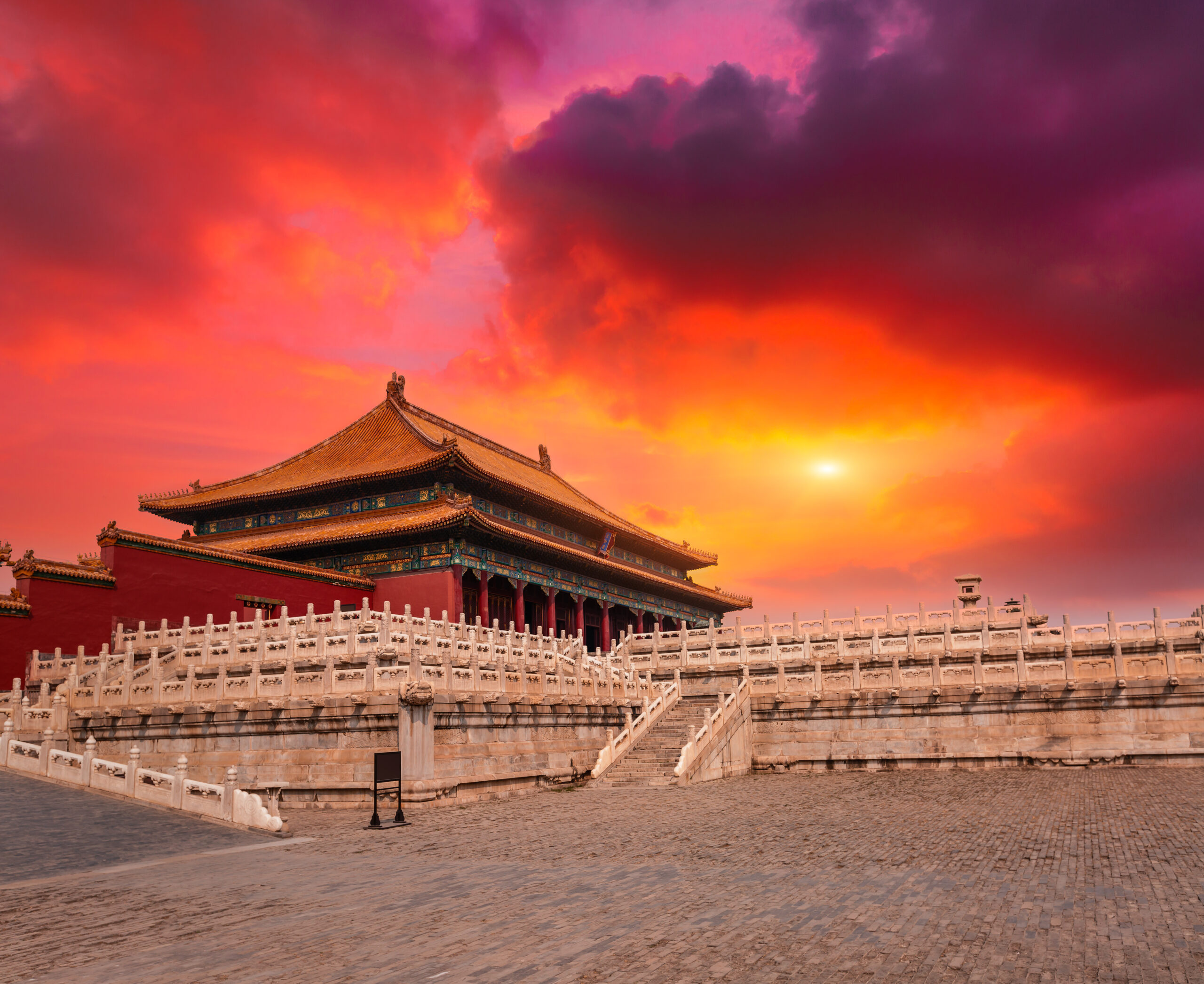
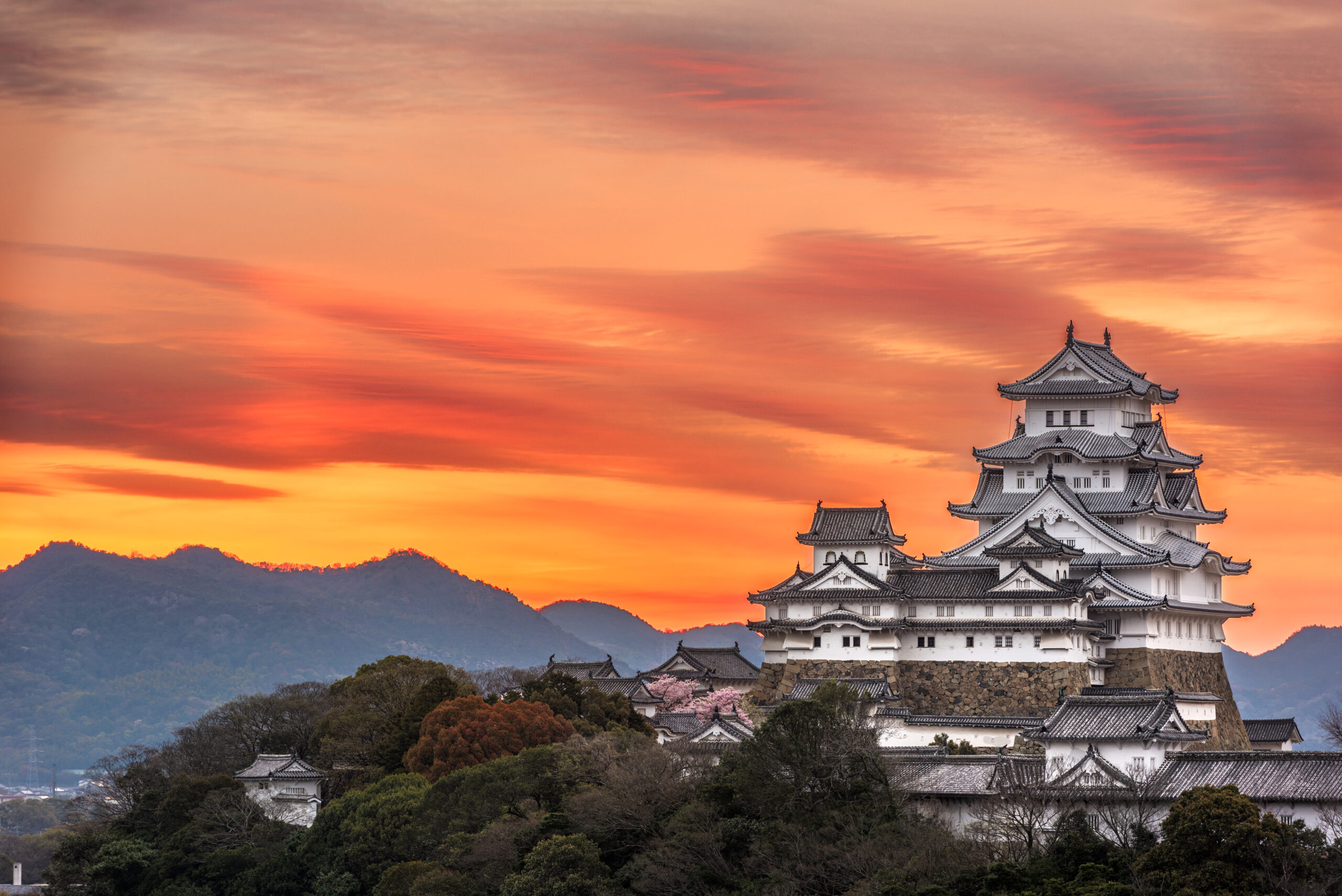
Japanese title culture: Court nobility, samurai and kazoku
Over the centuries, two great worlds developed side by side in Japan: the old court aristocracy in Kyoto (Kuge) and the warlike elite of the samurai and lehn lords (Buke/Daimyo). To these came dazzling positions of power such as the *Shogun* and later in the 19th century the newly formed *Kazoku* nobility.
Each of these terms carries a piece of Japanese history – from polite restraint through the era of the sword masters to the modernization of the country.
From the Empire to the Present: Why the fascination remains
Both China and Japan experienced profound historical upheavals in the 19th and 20th centuries. In China, the millennia-old imperial empire ended with the Xinhai Revolution of 1911/1912; in Japan, the Meiji Restoration from 1868 led to modernization and later the Constitution of 1947 to the abolition of the *Kazoku* aristocracy.
But historical empires disappear only on the map – their images live on in stories, art, film, literature, calligraphy, and names. Who wants to know more about a title like Shogun Kara-Taishi, Count of Mino, Count of Song or Tianzi cong Jinyang It chooses, and takes a piece of this great narrative into everyday life.

Why Chinese and Japanese titles are so popular as gifts
A good gift strikes the right note, surprises, and leaves a lasting impression. Chinese and Japanese titles have several qualities that make them so appealing:
- Unmistakable sound and depth: Names like Shogun, Kara-Taishi, Hakushaku, Bo or Tianzi sound powerful, exotic and loaded with historical significance.
- Personal Certificate to be shown: With your own name or the name of the recipient, the certificate becomes a real eye-catcher for your desk, study room or display cabinet.
- Ideal for fans of Far East, history and culture: Whether for lovers of Japanese history, those who travel to China, manga/history fans, or collectors of extraordinary gifts.
- Humorous, stylish and conversational: A title guarantees a smile, astonished looks and good conversations – for birthdays, anniversaries, promotions, farewells or Christmas.

In the imperial court of ancient China, the so-called Kowtow-A ritual for the survival of every aristocrat, because the hierarchy was a matter of precise control of the body. Whoever entered the presence of the celestial ruler had to not only bow, but also kneel three times in succession and, each time, make a distinct sound with the forehead on the floor of the palace. The court ceremonies master meticulously monitored whether the impact echoed loudly enough in the hall, because a too faint knock was considered a grave insult to the majesty and could lead to the immediate loss of all noble privileges. To secure the favor of the ruler, ambitious mandarins and princes often polished their foreheads before audiences so that the ritual impact on the cold marble tiles of the Forbidden City also guaranteed the desired acoustic effect. As European envoys in the 18th century, they often used the same techniques to ensure that the ritual impact on the cold marble tiles of the Forbidden City also left the desired acoustic impression. As European envoys in the 18th century, they often used the same techniques to ensure that the ritual impact on the cold marble tiles of the Forbidden City also left the desired acoustic impression. Refusing to make this humiliating gesture because they bowed only to God, the emperor sent them home empty-handed – anyone who did not worship the ruler with all their might did not exist for the Chinese nobility at all.
While European nobles simply inherited their status by sleeping in it, in imperial China the merciless principle of descending nobility applied to the descendants of the dynasties. The son of a duke did not automatically inherit the same rank, but instead slid one step deeper to become a Marquis, whose son in turn became a Count, and after only a few generations the former imperial line returned to the ordinary citizenry. To stop this social descent, the young aristocrats had to toil for years over ancient Confucian texts and undergo the notorious civil service examinations. Those who failed the examinations or were caught in the secret practice of sneaking into the tiny examination rooms lost their claim to palace maintenance, servants, and silk robes in an instant. The system did prevent the court nobility from becoming corrupt, but it drove generations of spoiled princely sons into collective nervous breakdown because no family tree in the world could protect them from a bad grade in the essay on state philosophy.
In feudal Japan, the Tokugawa shoguns enforced a discipline of nobility that resembled a permanent state of high security. At the head of the regional principalities were the Daimyo, The shōgun controlled the vast provinces and was protected by armies of loyal samurai. To keep these powerful warlords in check, the shōgun invented the system of the Sankin kōtaiEvery prince had to reside at the court in Edo – today’s Tokyo – every second year personally and finance the enormous court life there. When the daimyo was allowed to return to his home province after a year, he had to leave his wife and children behind as official hostages in Edo. The annual trips with hundreds of servants, drummers, and bodyguards consumed such gigantic amounts of money that the princes simply lacked the budget to instigate secret uprisings or rebellions. Thus, the Shogun did not tame the warrior caste of the samurai on the battlefield, but through outrageously overpriced duty trips and ruinous court etiquette.
In the Manchu dynasty of the Qing emperors, every subject could, at first glance, tell from the hat how much power and money their counterpart possessed. The ranking system of the so-called Mandarine was divided into nine strict classes, which differed by the elaborately polished buttons on the tip of their conical hats. The absolute upper class of ministers and imperial advisors wore a sparkling, deep-red ruby on their heads, while the lower ranks were graded from coral, sapphire, lapis lazuli, and crystal to simply engraved gold. Anyone who dared to adorn their headgear with a stone, regardless of how little difference it made to their rank, risked not only flogging with the bamboo pole but also immediate banishment to the icy border of Mongolia. In the wind and the weather, the officers held their hats tightly in place, because anyone who lost their official hat in the crowd suddenly found themselves completely naked and without official authority on the street.
The Japanese Tennō For many centuries, he was not considered an ordinary prince or king, but a direct, living descendant of the sun goddess Amaterasu. However, this sacred aura led to the fact that the emperor was completely powerless in his palace in Kyoto for vast stretches of history, while the military Shōgune controlled the actual politics with a heavy hand. The Tennō was not allowed to touch the floor of the palace with bare feet because the earth was too impure for a divine being, and he was carried on silk mats at every step. Even cutting his fingernails or washing his hair was a religious state action that could only be performed while the emperor was asleep in order not to destroy the illusion of untouchable perfection. He lived in a gilded bubble of poetry, calligraphy, and incense offerings—hallowed as the most sacred being in the land, but politically so ineffectual that he wasn’t even allowed to dictate the menu of his own dinner.