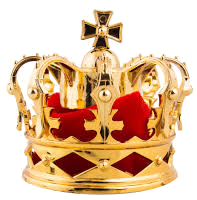





Wearing a Noble Title transforms how you present yourself in daily life, blending elegance with modern identity. A noble title is no longer bound to lineage but reflects personal choice, perception, and style. Many choose to buy a noble title to enhance presence, create distinction, and establish a refined impression across social and professional environments.

Wearing a Noble Title – What’s Possible and What’s Allowed?
For centuries, noble titles have been associated with status, prestige, and a certain standard of refinement. Today, they still carry that same aura, but the way they are used has evolved. If you decide to acquire a noble title, it becomes part of how you present yourself, adding a distinctive edge that immediately sets you apart. While it does not turn you into a hereditary aristocrat, it gives you something equally relevant in modern life: presence, recognition, and a memorable identity.
What makes this especially appealing is how naturally a noble title can be integrated into everyday situations. It becomes part of introductions, reservations, conversations, and the way others address you. People notice it, react to it, and often remember it. That subtle shift in perception is exactly where the real value lies. It is not about claiming a historic lineage, but about consciously shaping how you appear and how you are perceived.
To support this, you receive everything needed to create a coherent and authentic presence. From an elegantly designed appointment certificate to a personalized coat of arms and a range of custom items that carry your title and insignia, every detail contributes to a consistent and refined image. The result is not just a title, but a complete presentation that feels thought-through and convincing.
Once you begin using your title, you will quickly notice the effect it has. It draws attention without being loud, it adds character without effort, and it creates a sense of distinction that most people never experience. That is what makes wearing a noble title so compelling. It is simple, it is immediate, and it transforms the way you move through the world in a subtle but unmistakable way.