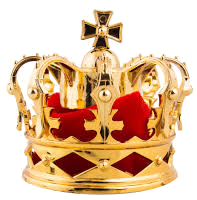





Ranks of Nobility
Noble Titles – Ranks, Meaning, and That Certain Edge
Noble titles have always carried a certain magnetism. They don’t just sound impressive, they come with history, symbolism, and a level of elegance that instantly elevates the way a name is perceived. And that is exactly what makes them so relevant today. They are no longer bound to the past, they have become a modern way to express personality, presence, and a sense of style that stands out in a world where most names feel interchangeable.
What makes noble titles particularly interesting is their structure. There is a clear hierarchy, and with it comes a different kind of impact depending on the title you choose. At the very top, things become especially striking. Titles like Elector once belonged to a small and highly exclusive circle of powerful figures who played a central role in shaping history. The name alone carries weight, even today. Choosing such a title is not a subtle move. It is a deliberate decision to step into a more visible, more defined role, one that signals confidence and a willingness to be noticed.
And that is really the point. A noble title is not just about where it sits in a historical ranking, but about how it feels when you use it. Some titles carry a sense of authority, others lean more toward elegance or tradition, but all of them have one thing in common: they change the way your name is experienced. The higher you go in the hierarchy, the stronger that effect becomes. It is less about modesty and more about presence, less about fitting in and more about owning a space.
In the end, choosing a title is not about copying the past, it is about selecting the level of expression that fits you best. Whether bold and commanding or refined and understated, every title offers its own character. And once it becomes part of your identity, it does exactly what it is meant to do: it gives your name a dimension that goes far beyond the ordinary.


The title of Duke or Duchess stands for leadership, strength, and a deep-rooted sense of tradition. Historically, dukes were not just noble figures by birth, but often chosen as military leaders, individuals who were trusted when decisions truly mattered. Authority, experience, and the ability to lead were essential, and that character still resonates in the title today. It carries a presence that feels confident and grounded, making it a choice for those who want their name to project both power and reliability without feeling exaggerated.
A step more refined, yet equally compelling, is the title of Marquis or Marchioness. Positioned just below the highest ranks of nobility, it has long been associated with influence, responsibility, and a certain understated exclusivity. It does not rely on boldness to make an impression. Instead, it carries a quiet authority that reveals itself over time, making it an ideal choice for those who appreciate distinction but prefer to express it with subtle elegance rather than overt display.
The title of Prince or Princess takes things into a different dimension altogether. It represents sovereignty in its purest form, not just as a rank, but as a mindset. There is a natural sense of scale and presence in the way the title sounds and feels. It suggests ambition, vision, and a way of thinking that goes beyond the ordinary. Choosing this title is not about playing small, it is about embracing a larger, more confident version of identity that carries a certain undeniable impact.
And then there is the Count or Countess, perhaps the most recognizable and versatile of all noble titles. It strikes a balance that few others manage to achieve. Rooted in history as a representative of royal authority, it has evolved into a title that combines elegance with approachability. It feels familiar, yet still refined, making it an ideal choice for those who want a noble identity that works effortlessly across different settings. That balance is exactly why it remains one of the most popular options, offering style without excess and distinction without distance.
And this is where it becomes especially interesting. A noble title does not just affect you as an individual, it naturally extends into your entire personal environment. The moment you begin to use it, it creates a consistent and recognizable image that goes beyond your own name. Your partner becomes part of that presence, your family becomes part of that identity, and what started as a single decision turns into a coherent and surprisingly powerful overall impression.
It becomes very tangible when you look at how this plays out in everyday life. If you choose the title of Count, you present yourself accordingly, while your partner carries the corresponding title of Countess, and your family reflects that same structure. It feels complete, not staged, but aligned. And as you move into higher ranks, that effect becomes even more pronounced. A title like Prince or Princess immediately shifts the tone and creates a stronger, more striking presence that people notice without needing any explanation.
What makes this dynamic so appealing is how naturally it works. It is not something you have to actively explain or justify. It simply unfolds through consistent use, shaping how you and those around you are perceived as a unit. In that sense, a noble title is never just personal, it is shared, it is visible, and it creates a level of identity that feels both elevated and surprisingly effortless at the same time.
Everything remains structured, balanced, and internally consistent. The titles naturally form a small, self-contained world that not only sounds right, but feels convincing the moment it is used. That sense of coherence is what makes the difference. It ensures that your overall presence comes across as aligned, authentic, and effortless, rather than constructed or artificial.
There is also a practical side to this that adds another layer of appeal. Matching appointment certificates can be created for each member of your family, turning the concept into something visible and tangible. It is no longer just an idea or a name, but something you can hold, present, and integrate into everyday life. This reinforces the identity you are building and makes it feel complete in a very real way.
In the end, the question is not whether a noble title is necessary. It is far more interesting to ask which one truly fits you. Because regardless of whether you choose Count, Prince, or Duke, you are shaping how your name is perceived. And sometimes, that small shift is all it takes to turn an ordinary introduction into something that stands out and stays remembered.