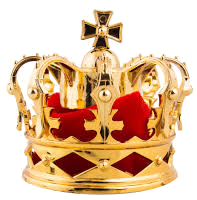




Noble Privileges reveal how a noble title once granted power, land, and influence across entire societies. From tax exemptions to political authority, these privileges shaped history and social hierarchy for centuries . Today, while legal advantages no longer exist, many choose to buy a noble title to express prestige, identity, and a modern interpretation of distinction.

Noble Privileges – Then and Now
When people speak of “noble privileges,” they often imagine a world where noble titles automatically meant power, wealth, and influence. And for centuries, that was exactly the case. A noble title was not just a prestigious name, it was a direct gateway to advantages that were inaccessible to others.
Nobles lived in a reality of their own. They owned land, governed entire regions, influenced courts and administration, and were often exempt from taxes. A noble title determined which doors would open and which would remain closed forever. Status was not something to be earned, it was something you were born into, carried in your name from the very beginning.
This system created a clear divide between nobility and the rest of society. Privileges were deeply embedded in everyday life and shaped opportunities, power structures, and social mobility. Nobility was not just a distinction, it was a position of control and long-term influence that extended across generations.
Today, this reality has completely changed. Noble titles no longer come with legal privileges. They do not grant political power, financial advantages, or special rights. The old system has disappeared, and with it the formal benefits that once defined nobility.
And yet, noble titles have not lost their relevance. What remains is something different, but equally powerful: their effect. A noble title today no longer represents authority over others, but perception. It stands for style, presence, and a name that leaves an impression.
This is the fundamental shift. In the past, the title defined the person. Today, the person defines what the title becomes. That is exactly what makes noble titles so interesting again. They are no longer bound by privilege, but open to interpretation, identity, and personal expression.